
Meeting Report
Date: January 8, 2026
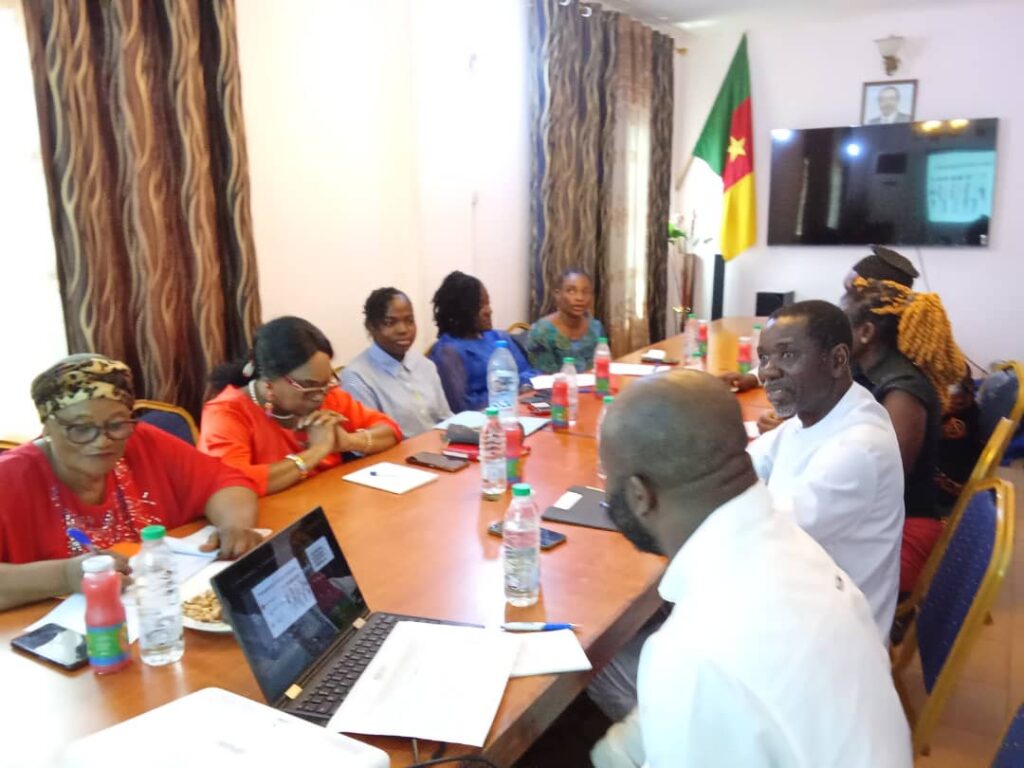
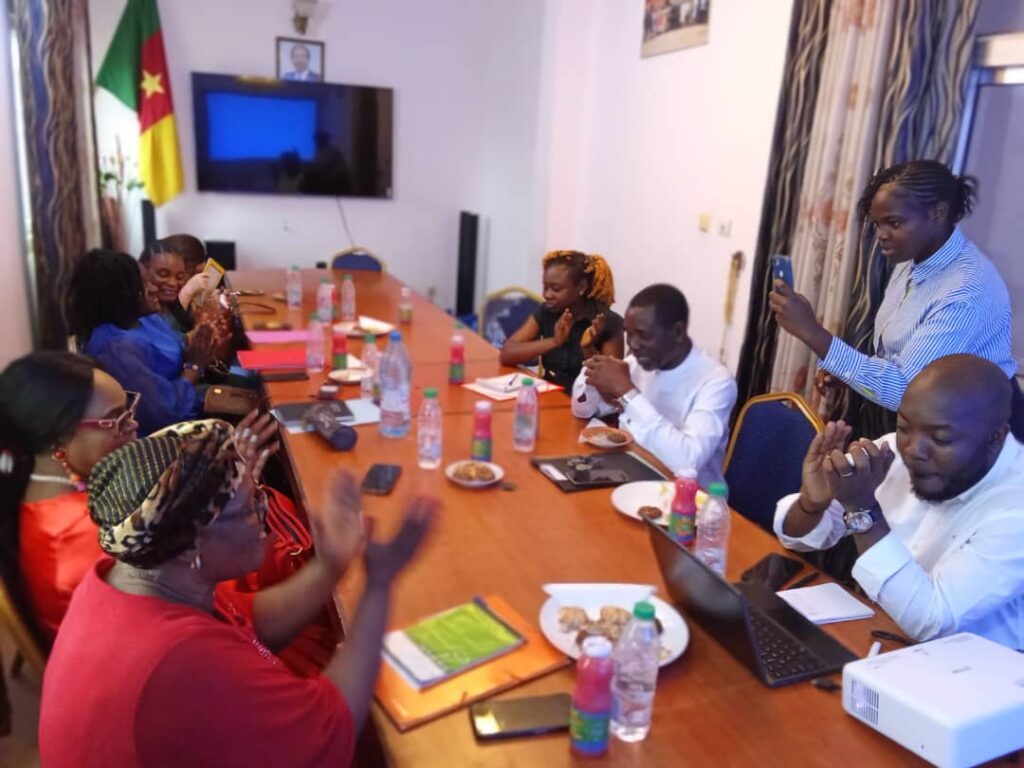
Location: National Labour Observatory Office, Yaoundé, Cameroon
Attendees: Members of RENATRADOM (Network of Domestic Work Actors in Cameroon)
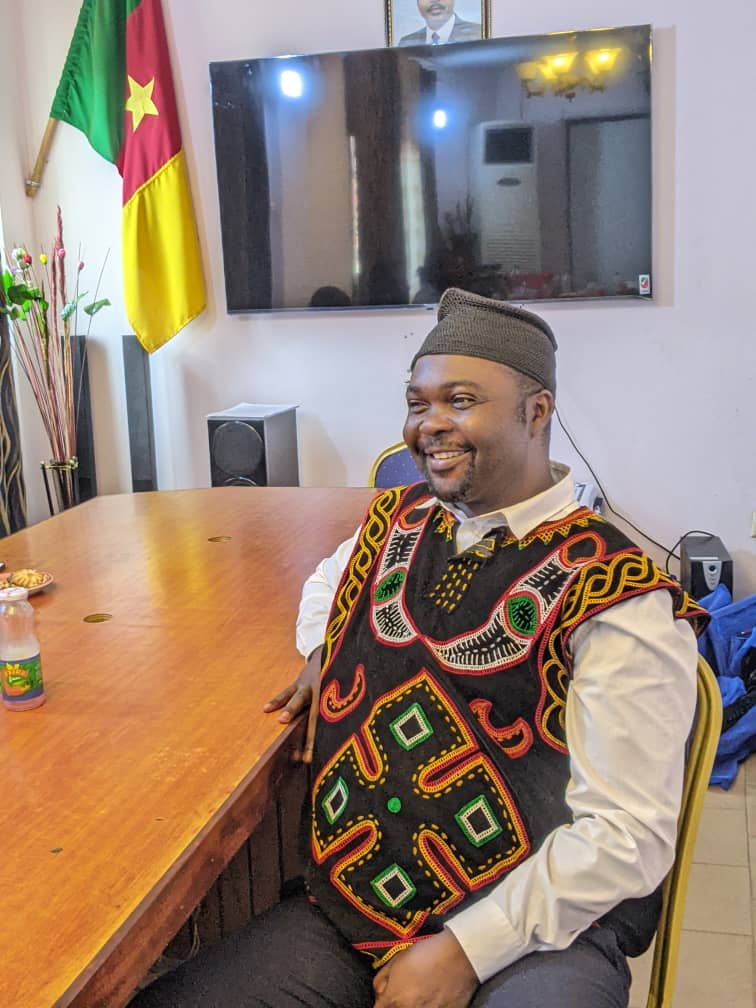
UNIMAC Representation: Ameh M Maurice Ngwa, CEO of UNIMAC.
Introduction
On January 8, 2026, a pivotal meeting was held at the National Labour Observatory office in Yaoundé, bringing together members of RENATRADOM, a nationwide network representing actors involved in domestic work across Cameroon. The meeting was organized to evaluate and assess the challenges faced by domestic workers and their employers within the country.
Objectives
- To identify key challenges confronting domestic workers and their employers in Cameroon.
- To discuss possible strategies for improving the working conditions and rights of domestic workers.
- To foster collaboration among stakeholders across all regions of Cameroon.
Participants
- Representatives from all ten regions of Cameroon, as part of RENATRADOM.
- UNIMAC, represented by its CEO, Ameh M Maurice Ngwa.
- Other stakeholders involved in domestic work and labour rights.
Discussion Points
- Challenges Faced by Domestic Workers
- Lack of formal employment contracts.
- Poor working conditions and low wages.
- Limited access to social security and health benefits.
- Vulnerability to abuse and exploitation.
- Lack of legal protection and recognition.
- Challenges Faced by Employers
- Difficulty in accessing qualified domestic workers.
- Lack of awareness regarding legal obligations.
- Challenges in regulating informal employment arrangements.
- Regional Perspectives
- Variations in challenges across different regions, with some areas experiencing higher levels of exploitation and others struggling with a shortage of trained domestic workers.
- The importance of regional data collection to inform targeted interventions.
- Strategies for Improvement
- Promoting awareness of workers’ rights among domestic workers and employers.
- Developing policies for formalizing domestic work.
- Establishing training programs to improve skills.
- Encouraging the implementation of social protection schemes.
Conclusion
The meeting underscored the urgent need for a comprehensive approach to address the multifaceted challenges faced by domestic workers and their employers in Cameroon. It was agreed that continued dialogue and collaboration among all regional actors are vital for fostering better working conditions, legal protection, and social inclusion.
Next Steps
- Formation of regional committees to monitor and implement proposed strategies.
- Development of a national framework for the regulation of domestic work.
- Follow-up meetings scheduled to review progress and challenges