CURRENT & RECENT PROJECTS
UNIMAC’s work is organized around four key thematic pillars, guiding our programmes and initiatives across communities.
Our Programs

1. Women's Economic Empowerment & Rights
Equipping women and young people with practical skills and business knowledge to strengthen their livelihoods, build financial independence, and reduce their vulnerability to exploitation and human trafficking.
Results at a glance
Programs: Sustainable Snail Farming · Entrepreneurship Support · Vocational Training · Women's Leadership Training
Program details
-
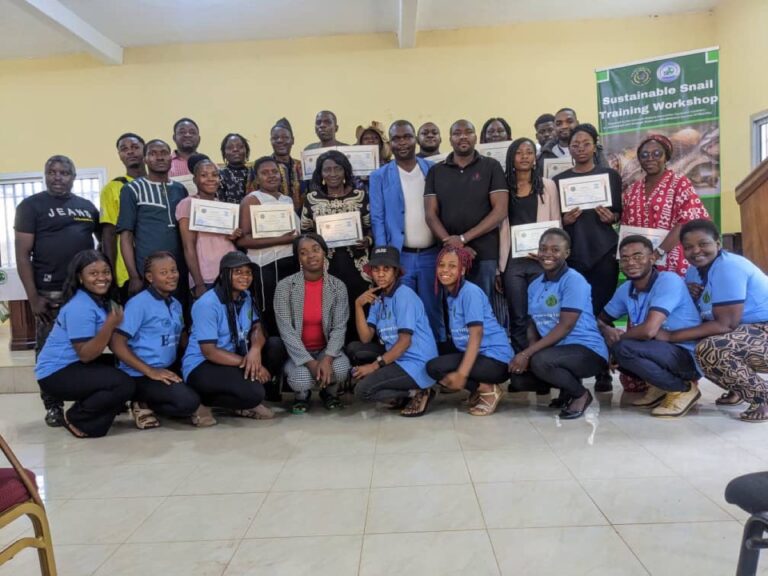
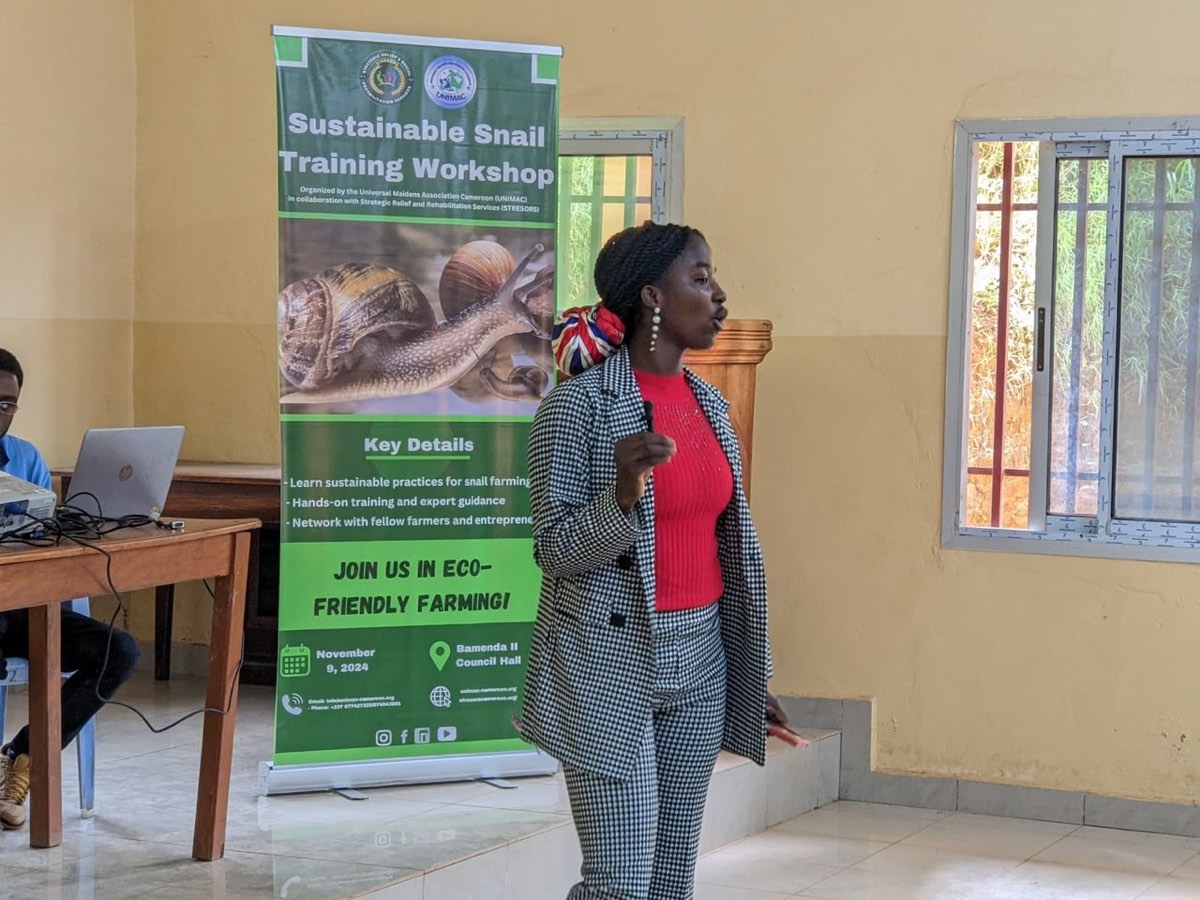
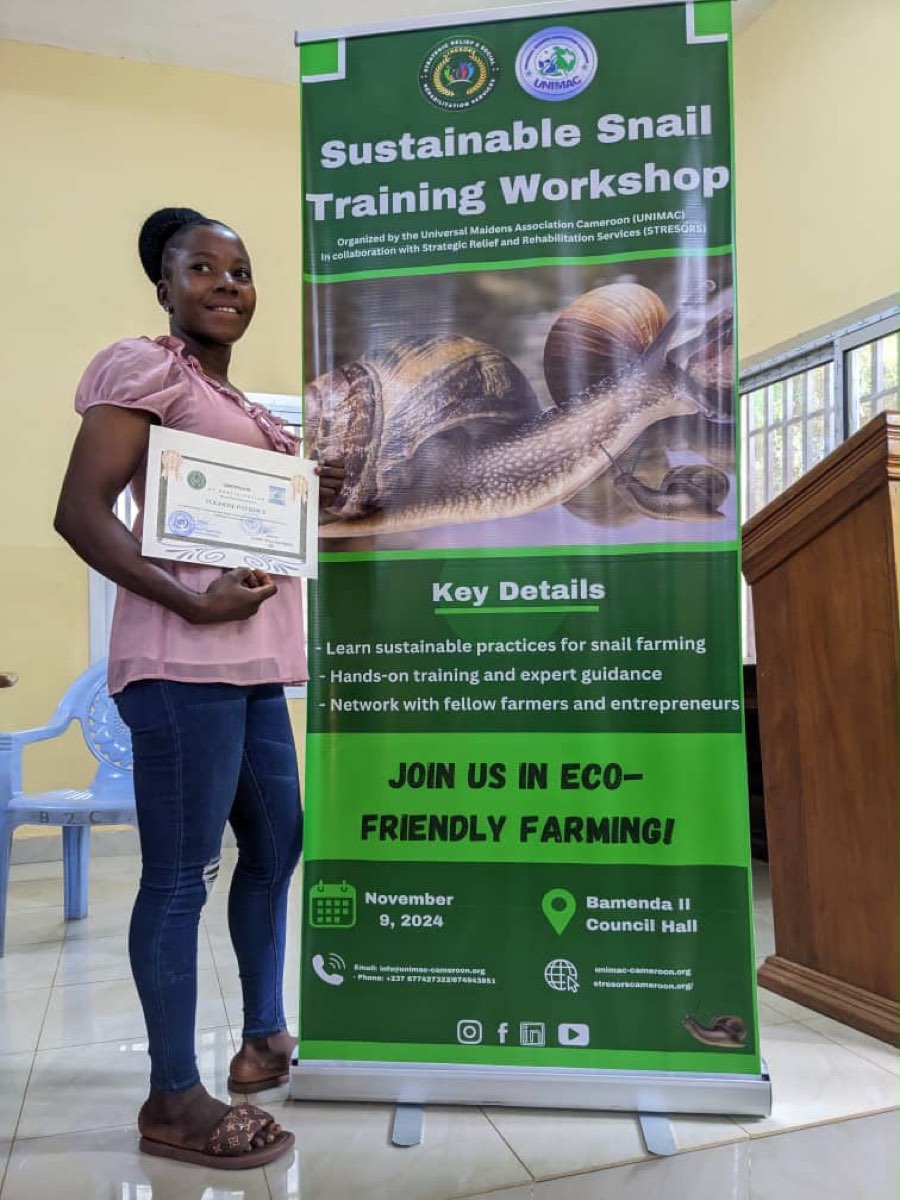
Sustainable Snail Farming: Training in snail farming and building snail-rearing facilities.
-
Entrepreneurship Support: Business skills training, financial literacy, and access to markets.
-
Vocational Training: Practical skills training in soap production, tailoring, food processing, hairdressing, and bead design.
-
Women's Leadership Training: Training in advocacy, negotiation, and community organizing.

2. Gender, Governance, & Peacebuilding
Promoting peaceful conflict resolution, gender equality, and community participation by equipping children, young people, and women with the knowledge and skills to foster tolerance, prevent violence, and build more peaceful communities.
1,000+
children supported through education and peacebuilding
Program details
-
Empower 1,000 Children as Peace Ambassadors:
Delivering peacebuilding and tolerance education in schools to help children promote peaceful coexistence.
-
Women's Peace Committees: Supporting community-led committees that help mediate conflicts and encourage peaceful resolution.
-
Cultural Diversity and Tolerance Education:
Promoting mutual understanding, respect for cultural differences, and peaceful coexistence among young people.
-
GBV Awareness & Advocacy: Raising awareness of gender-based violence through initiatives such as the 16 Days of Activism, femicide awareness, and Protection from Sexual Exploitation and Abuse (PSEA) campaigns.

3. Inclusive Education & Digital Transformation
Expanding access to education and digital skills by equipping women and young people with practical technology skills, supporting vulnerable children in school, and creating opportunities for learning and economic participation.
Programs: UNIMAC Digital Futures · ICT & Digital Literacy Training · School Support · DREAMS Project
Program details
-
UNIMAC Digital Futures:
Developing digital skills in areas such as digital literacy, e-commerce, digital photography, and social media marketing.
-
ICT & Digital Literacy Training:
Providing training in computer skills, internet use, and digital marketing.
-
School Support:
Helping vulnerable children access education through school-fee assistance, educational materials, and back-to-school kits.
-
DREAMS Project:
Delivering digital resilience training across Cameroon's Centre, Northwest, and Far North regions, with funding from Germany's Federal Foreign Office (MFA).
With the knowledge and support I received through the project, I was able to establish my own online business
— Nsombo Griselda Nvejou, DREAMS Project participant · Read her story →

4. Health, Wellbeing, & Civil Defense
Promoting health, hygiene, and psychosocial wellbeing while supporting vulnerable children and displaced communities through reproductive health education, sanitation, mental health support, and access to essential services.
Internally displaced persons (IDPs) provided with food relief across Buea and Bamend
-
Programmes and Activities
Menstrual Hygiene Management
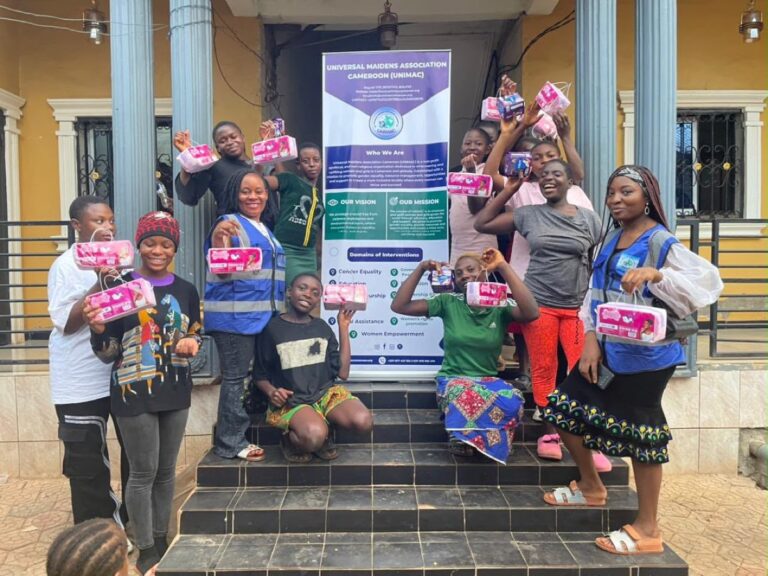
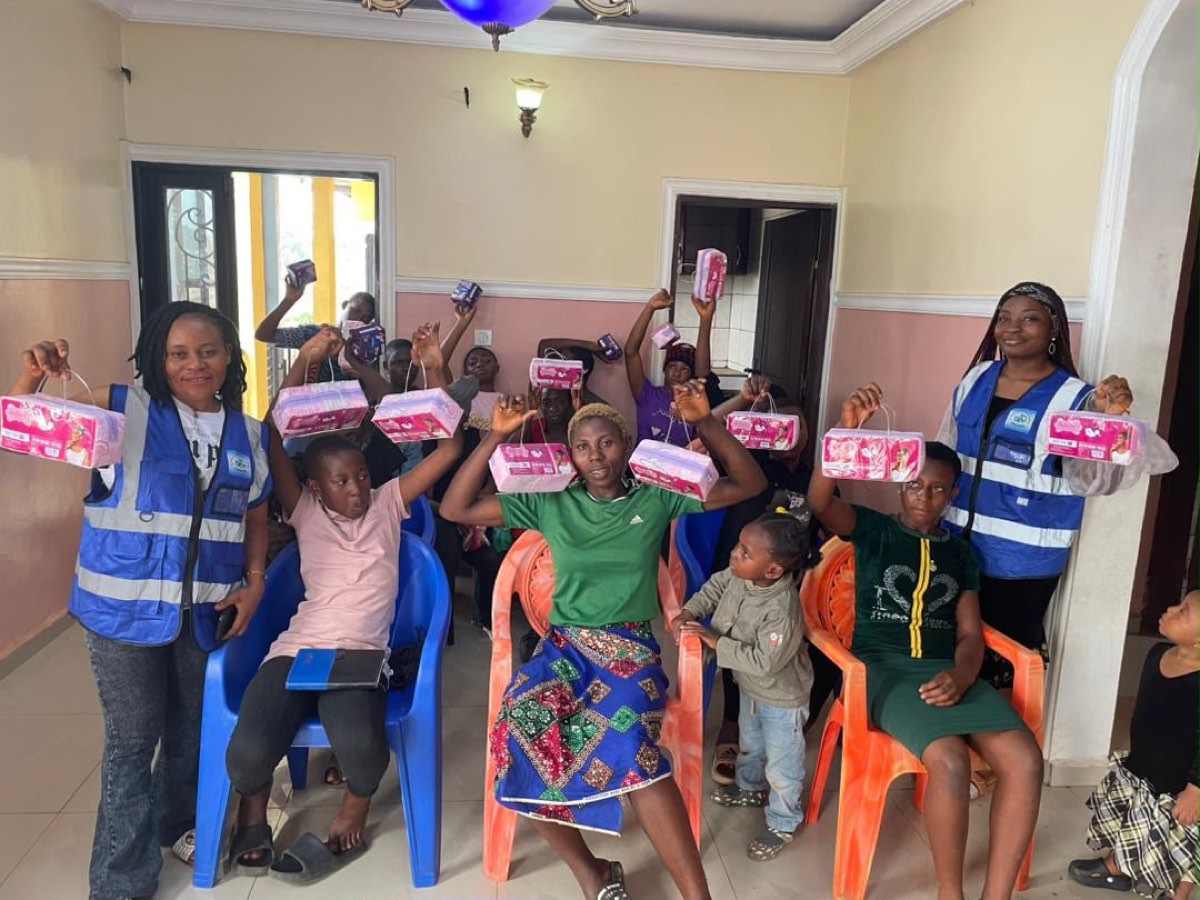
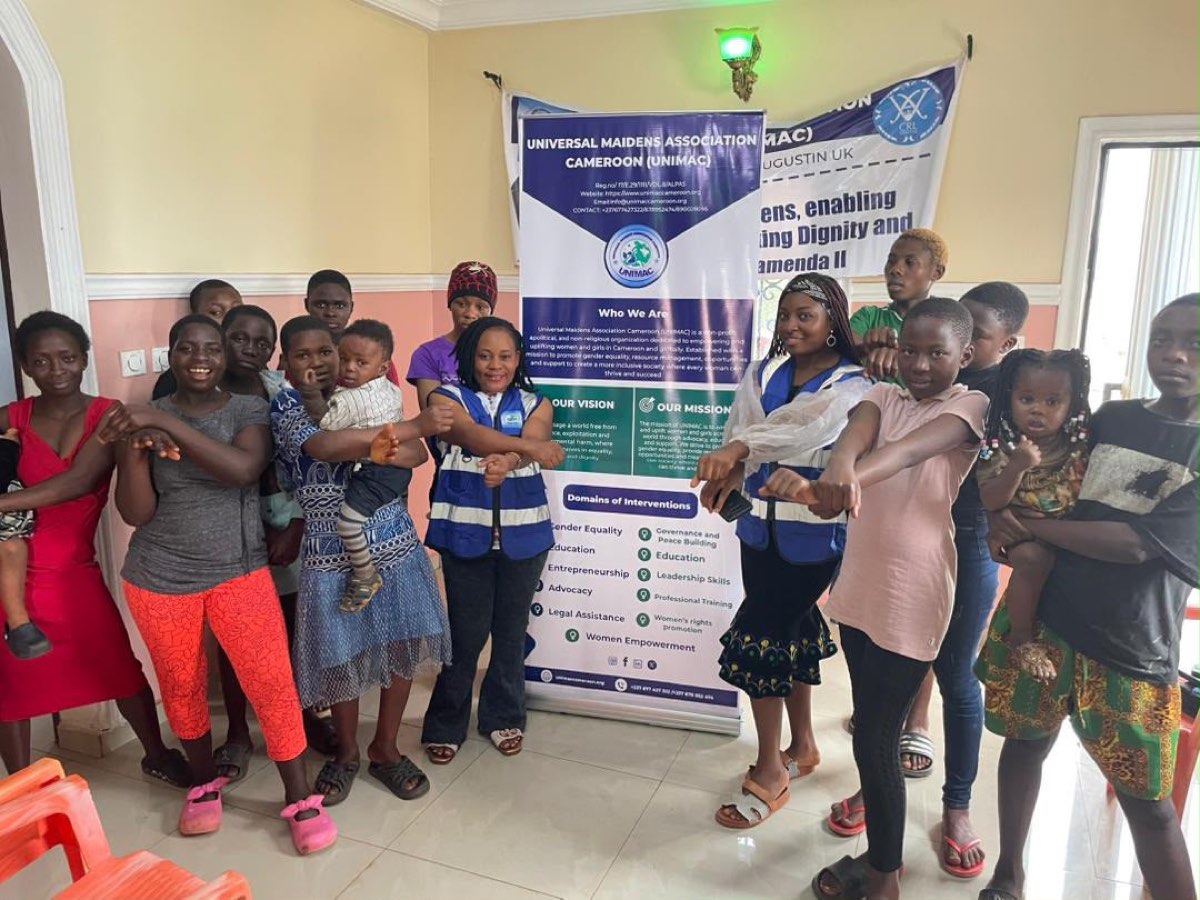
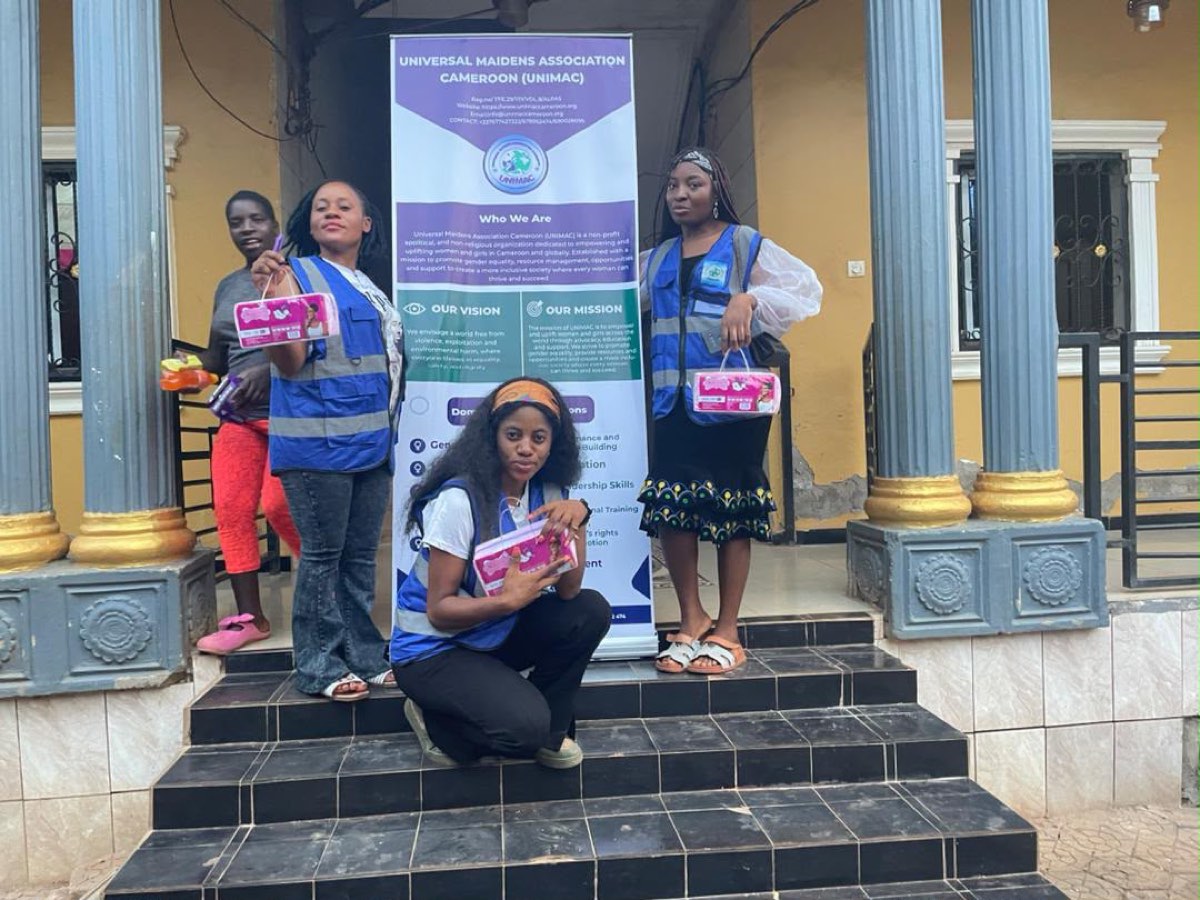
Conducting workshops and distributing hygiene kits to help reduce barriers to school attendance.
Reproductive Health Education
Delivering outreach in communities and schools to promote reproductive health awareness.
Mental Health & Psychosocial Support (MHPSS)
Providing psychosocial first aid and counselling to support emotional wellbeing.
OVC & IDP Identity Restoration
Supporting orphans and vulnerable children (OVC) and internally displaced persons (IDPs) with civil registration and documentation, including birth certificates.
Operation: Keep the Toilet Clean
Promoting school sanitation, hygiene awareness, and cleaner learning environments.
Food Relief for Displaced Communities
Providing food assistance to internally displaced persons across Buea and Bamenda.
The food-relief description should be included only after confirming that this activity belongs under this pillar and that the reported figure is accurate.
Active Projects
ONGOING
OVC, Elderly & IDP Care Project
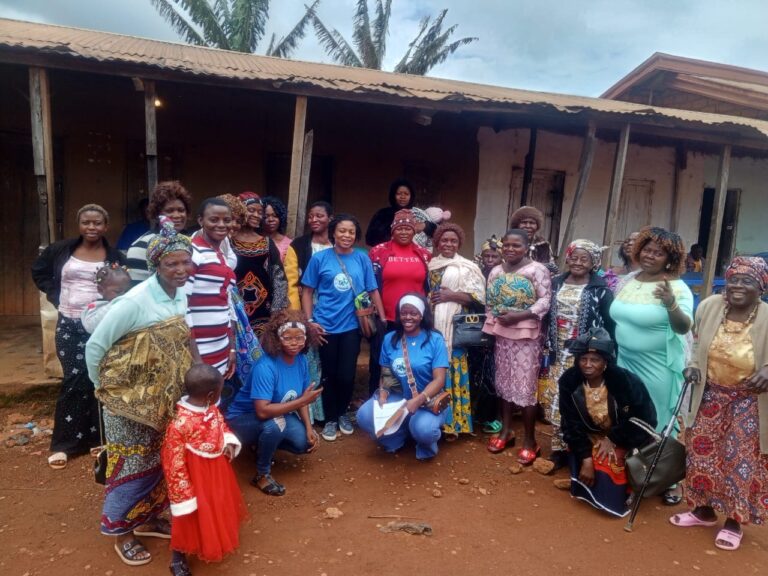
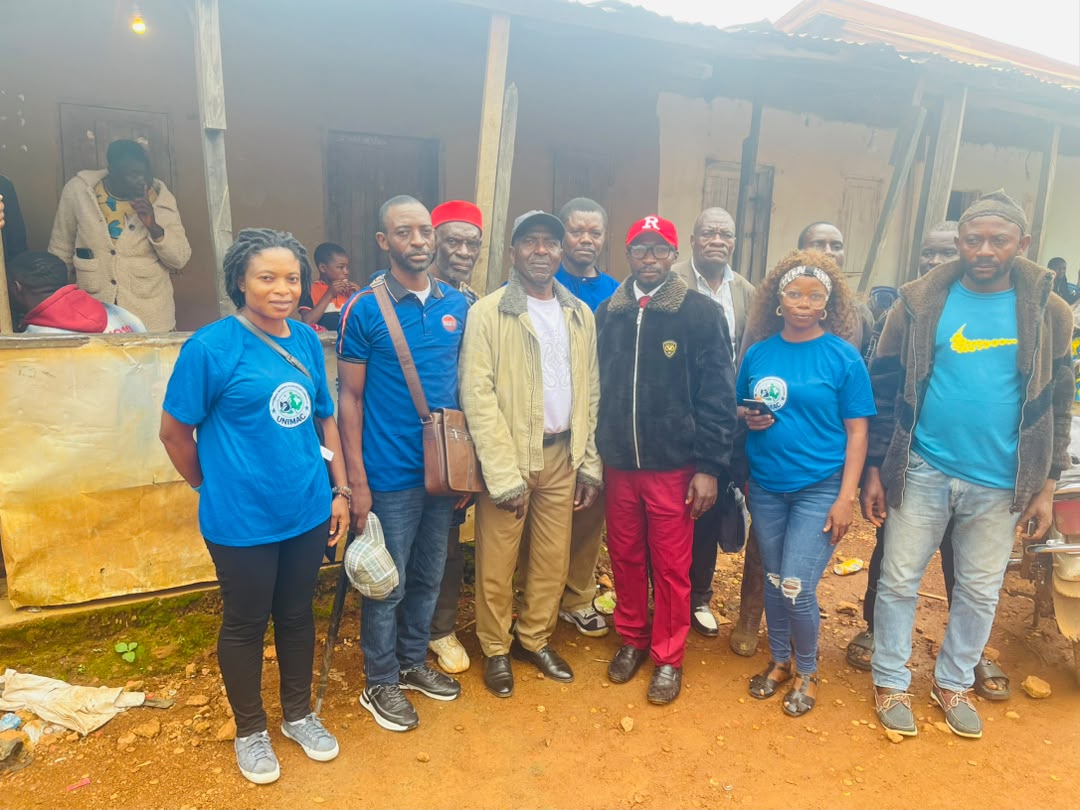
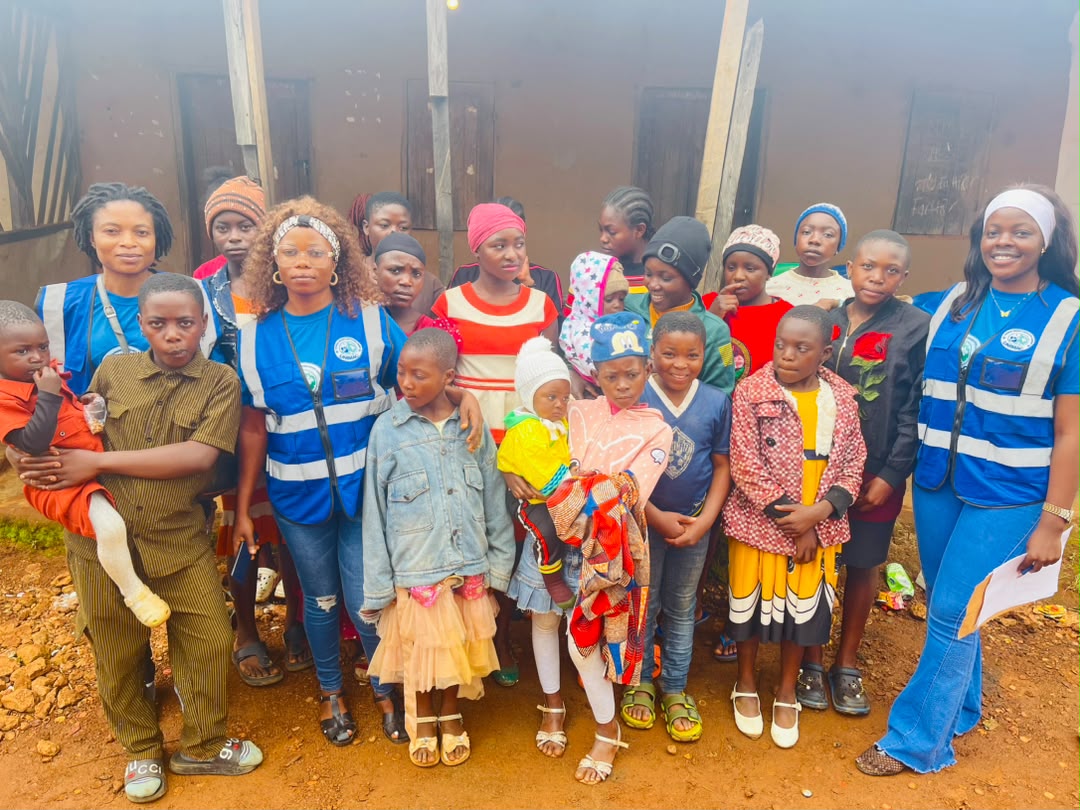
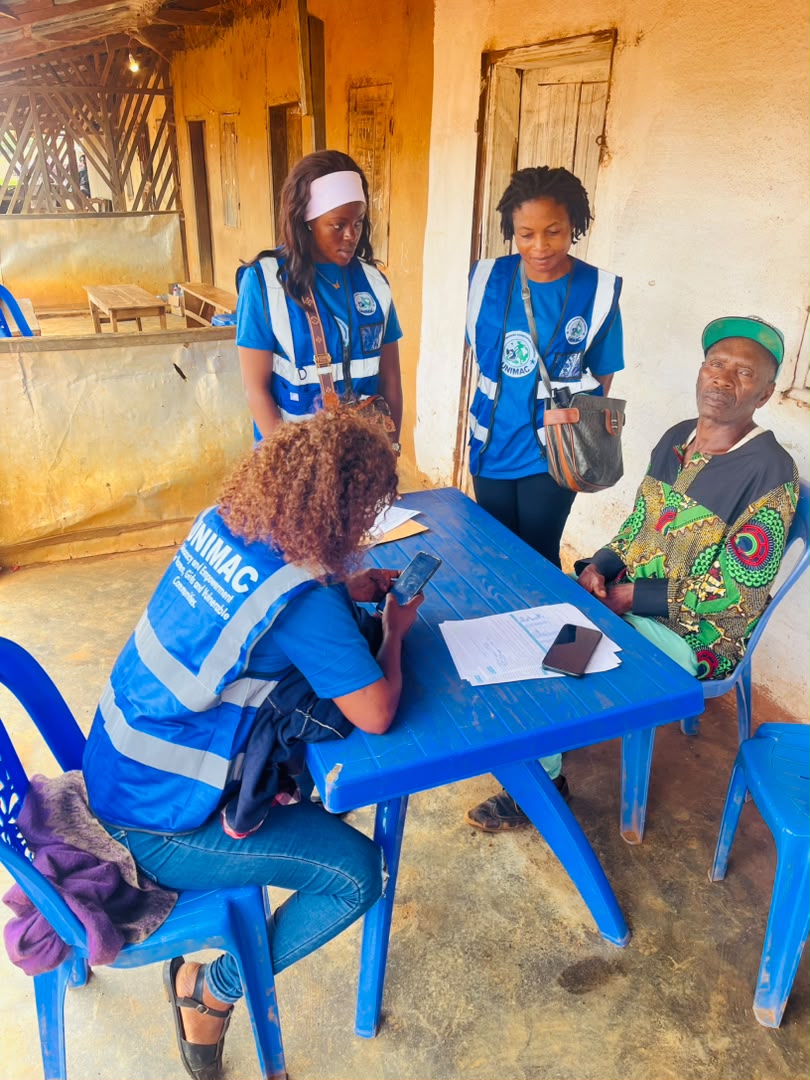
Food relief provided to 200+ internally displaced persons (IDPs) in Buea and Bamenda
Objective
To provide essential humanitarian assistance to vulnerable and displaced community members facing immediate needs related to food, clothing, basic supplies, and medical care.
Impact
UNIMAC provided clothing and non-food item (NFI) donations to 100+ orphans and older persons and covered medical bills for critically ill community members.

12-Month Transnational Waste Management Project
Advancing environmental sanitation, waste management, and recycling while creating opportunities for young people to participate in the green economy.
Objective
To strengthen waste management and recycling practices through improved infrastructure and support for green employment opportunities for local youth.
Key Focus Areas
-
Urban Environmental Sanitation: Supporting cleaner and healthier urban environments.
-
Green Jobs for Youth: Promoting opportunities for young people in waste management and environmental sustainability.
-
Waste Management and Recycling Infrastructure: Focusing on systems and infrastructure to improve waste collection, handling, and recycling.
Project Partners
-
Children In Need Organization (CINORG), Sierra Leone
-
Candeam, Belgium
Duration: 12 months
LAUNCHED Mid-2026
Empower 1,000 Children as Peace Ambassadors
Equipping children and young people affected by crisis with peacebuilding, resilience, and conflict-resolution skills to promote tolerance and peaceful coexistence.
Objective
To strengthen young people's capacity to respond to conflict non-violently, build resilience, and contribute to more peaceful and inclusive communities.
Location
City College of Commerce (CCC) and other institutions in Bamenda.
Key Activities
Delivering community-level peacebuilding and tolerance education to help young people understand cultural differences, manage conflict constructively, and resist radicalization
Completed Projects
DREAMS Project
- Building digital skills and entrepreneurial capacity among vulnerable women to expand their access to economic opportunities and strengthen their resilience.Impact at a glance60 vulnerable women trained in e-commerce, digital photography, social media marketing, and financial planning.Project Details
-
Funder: German Federal Foreign Office (MFA), through Goethe-Institut Kamerun.
-
Focus Areas: Digital resilience, entrepreneurship, access, mentorship, and sustainability.
-
Locations: Centre, Northwest, and Far North regions, including Maroua.
-
Training Approach: Locally adapted, native-language facilitation, including Fulfulde, to reduce language barriers and make learning more accessible.
-
Business Ethics Training for Single Mothers
- Equipping single mothers with practical business knowledge to make informed decisions, manage their enterprises responsibly, and strengthen their economic independence.Impact at a glance19 single mothers trained through a seven-hour interactive workshop.Workshop Details
-
Location: Archdiocese of Bamenda / St. Joseph, Big Mankon.
-
Focus Areas: Entrepreneurship, starting a business, marketing, and record keeping.
-
16 Days of Activism Against Gender-Based Violence (GBV)
-
Candle-Lighting Ceremony: Honoring victims of gender-based violence and expressing solidarity with survivors and affected families.
-
Awareness Campaigns: Sharing information about GBV, promoting prevention, and encouraging community advocacy for change.
Operation: Keep the Toilet Clean
Promoting better hygiene habits and cleaner school environments by engaging students in sanitation campaigns and school hygiene clubs.
Impact at a glance
1,000+ students engaged in cleanliness campaigns and hygiene clubs across 12 schools in Bamenda.
Objective
To raise awareness of proper hygiene and sanitation practices among students and encourage shared responsibility for keeping school environments clean.
Project Details
-
Location: 12 schools in Bamenda.
-
Key Activities: Student cleanliness campaigns and school hygiene clubs.
International Day of the Girl Child Celebration
Supporting girls’ education, wellbeing, and confidence through educational resources and workshops that encourage self-esteem and leadership.
Impact at a glance
120 female students received textbooks, stationery, and hygiene packs, along with empowerment workshops on self-esteem and leadership.
Project Details
-
Location: BCHS Nkwen, Bamenda.
-
Partners: Strategic Relief and Rehabilitation Services (STRESORS) and SIWOG.
-
Key Activities: Distribution of educational materials and hygiene packs, and workshops focused on self-esteem and leadership development.
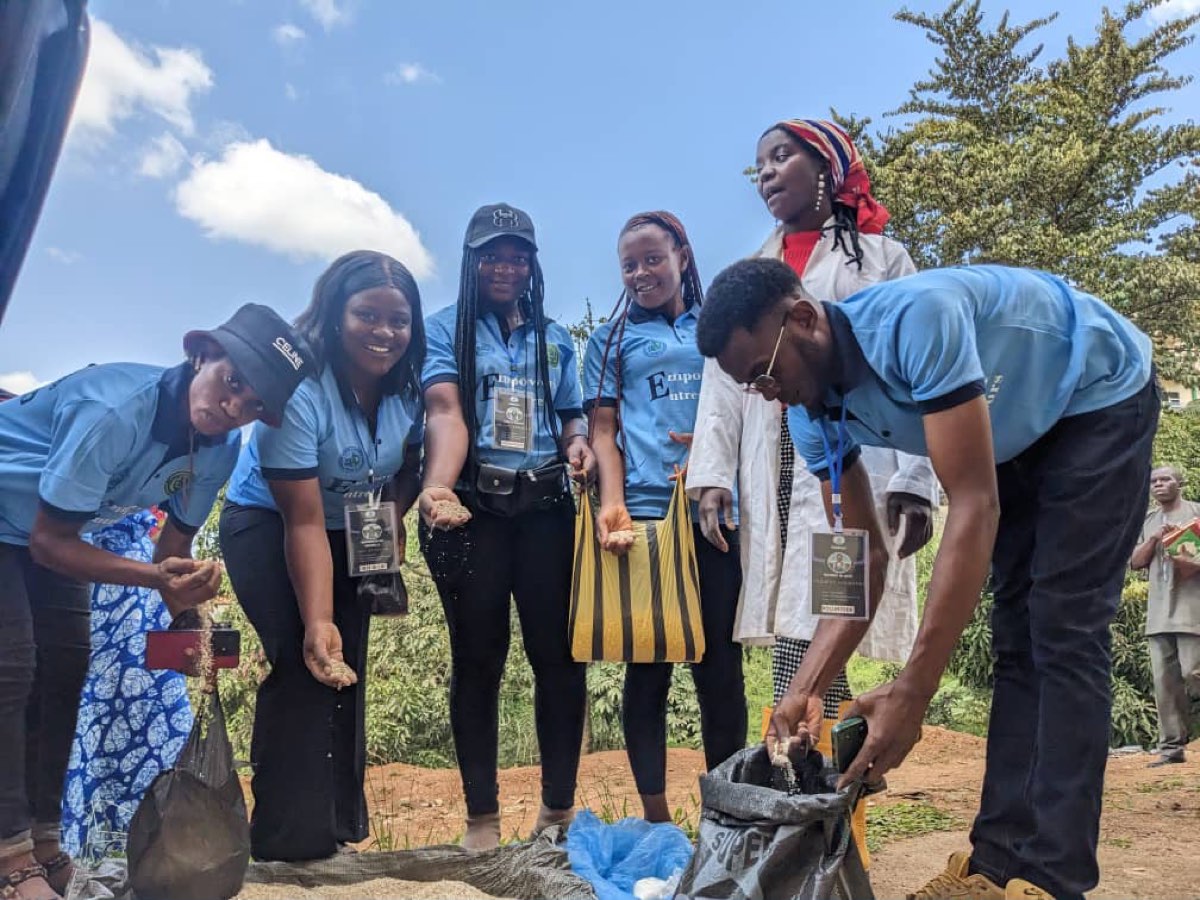
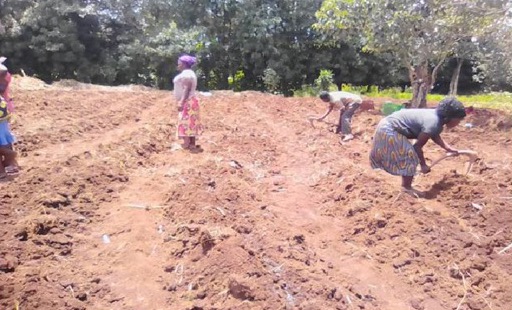
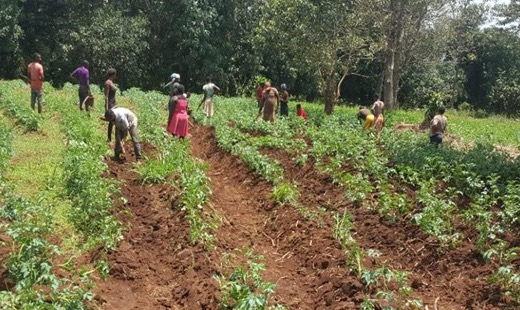
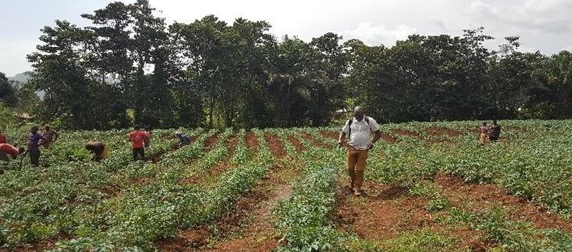
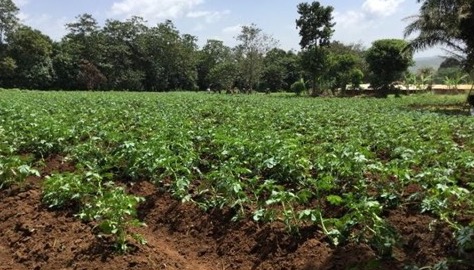
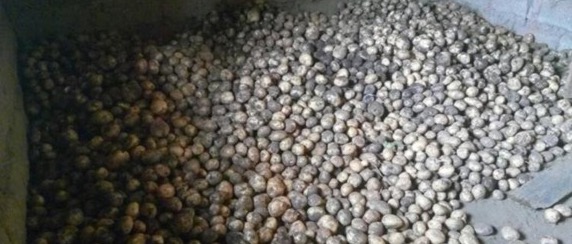
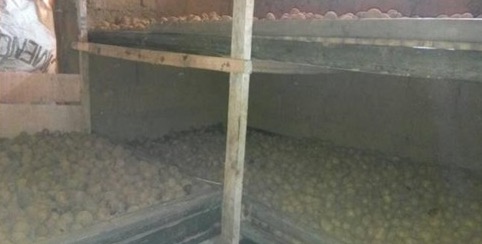
Training of IDPs on Organic Potato Farming
Supporting internally displaced persons and other conflict-affected community members with agricultural skills and seed resources to strengthen livelihoods and food security.
Objective
To build the capacity of internally displaced persons (IDPs), vulnerable young people, and women affected by conflict to engage in organic potato farming as a potential source of food and income.
Key Activities
-
Agricultural Training: Building participants’ knowledge and practical skills in organic potato farming.
-
Seed Support: Providing seeds to help participants put their training into practice.
Location
Santa Subdivision, Mezam Division.
Details
- Location;Expected Long-Term ImpactImproved food security and more sustainable livelihoods for IDPs and conflict-affected women and young people in host communities, alongside stronger community resilience and social cohesion.
Website audit notes
Land tenure security: Include this as a key activity only if the project directly addresses access to land or land rights.
Otherwise, keep it as a sustainability consideration in internal project documentation.
Climate resilience: Retain this if the project includes climate-resilient farming practices.
Impact claims: Use Expected Long-Term Impact unless UNIMAC has evidence demonstrating these outcomes have already been achieved.
Community Garden Establishment
Build young women’s capacity in organic farming and sustainable gardening to improve household nutrition, strengthen food security, and reduce food-related expenses.
Key Activities
-
Organic farming and sustainable gardening training.
-
Soil health and preparation.
-
Plant care and crop maintenance.
-
Pest management and environmentally responsible growing practices.
Location: UNIMAC Head Office, Bamenda, Cameroon.
Impact
-
50 young women trained in practical gardening skills.
-
Improved family nutrition and reduced household food expenses, as reported for the project.
Soap Production Workshop
Equipping women with practical soap-making skills and basic business knowledge to help them explore income-generating opportunities and build more sustainable livelihoods.
Details
Objective
Develop participants’ soap production and business skills, enabling them to understand product pricing, identify potential customers, and take steps towards starting a small business.
Key Activities
-
Practical soap-making techniques.
-
Product pricing and basic business planning.
-
Introduction to market entry and identifying potential customers.
-
Ongoing mentorship to support business startup.
Location: Bamenda II, Cameroon.
Impact
-
30 women trained in soap production.
-
Ongoing mentorship to support participants as they work towards starting their businesses.
Data Collection for Vulnerable Women and Maidens
- Project Overview
Gathering data on the challenges faced by vulnerable women and young women in Cameroon’s Northwest Region to help UNIMAC identify community needs and inform the design of future programmes.
Objective
Understand the experiences, needs, and challenges of vulnerable women and young women in the Northwest Region to support evidence-informed programme planning and intervention development.
Methodology
-
Quantitative surveys to collect structured data.
-
Qualitative interviews to gain deeper insight into participants’ experiences and challenges.
-
Analysis of findings to help identify priority needs and inform future programming.
Location: Northwest Region, Cameroon.
Impact
-
More than 300 women surveyed.
-
Foundational data collected to inform the planning and development of future programmes for vulnerable women.
-