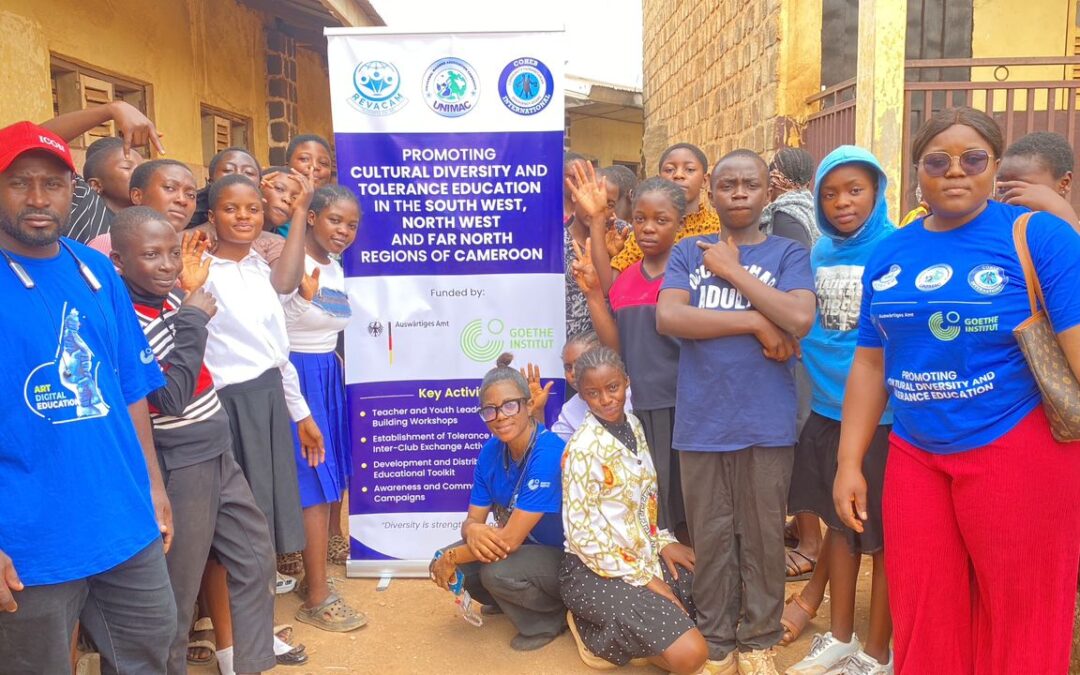
Promoting Cultural Diversity and Tolerance Education
City College of Commerce (CCC), Bamenda
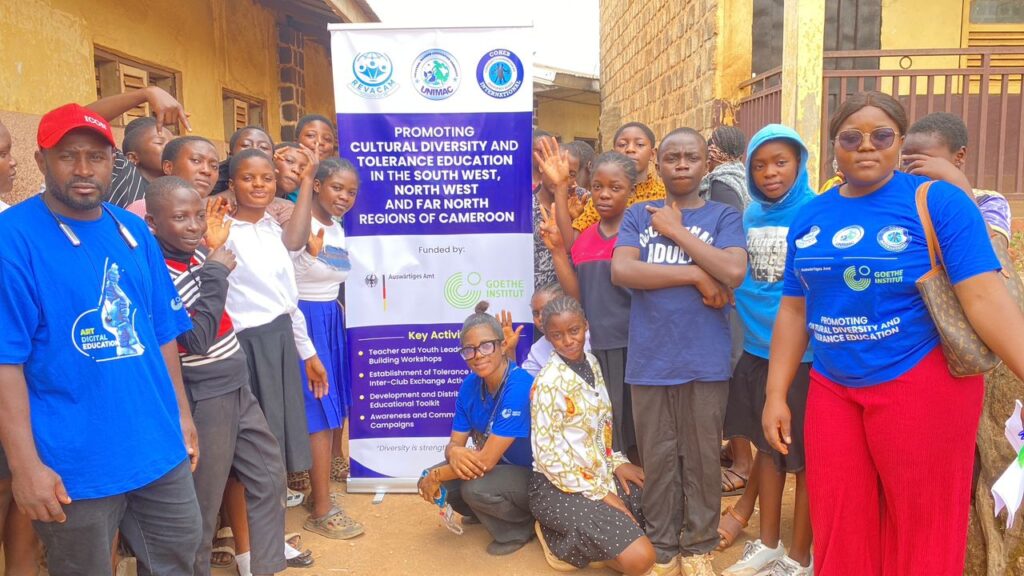
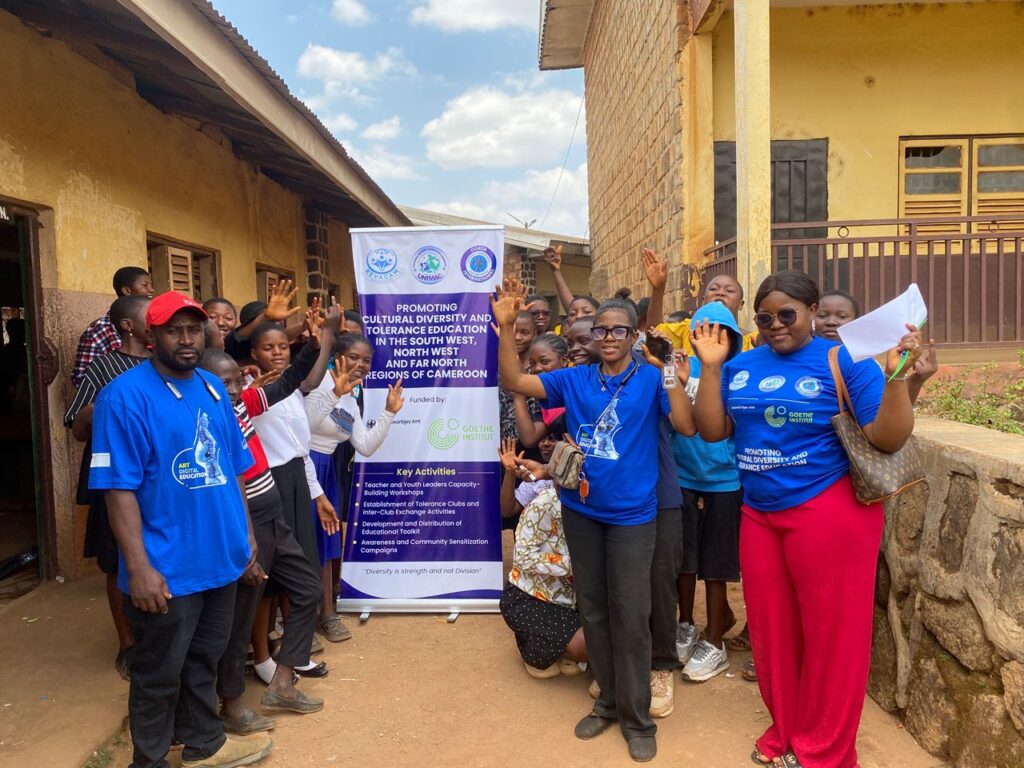
This report presents the successful launch of the project titled “Promoting Cultural Diversity and Tolerance Education” at the City College of Commerce (CCC), Bamenda. The project is implemented by Universal Maidens Association Cameroon (UNIMAC) in the Northwest Region, REVACAM in the Southwest Region, and COHEB in the Far North Region. The initiative runs from March to September 2026 and is funded by the German Ministry of Foreign Affairs through the Goethe-Institut.
Context and Justification
Bamenda, located in the Northwest Region of Cameroon, is currently affected by the ongoing Anglophone conflict. This crisis has contributed to divisions, trauma, and reduced opportunities for young people to engage in constructive dialogue. In this context, promoting cultural diversity, tolerance, and peaceful coexistence is both timely and necessary. The school environment provides a strategic platform to nurture these values among young people.
Objective of the Launch
The objective of the launch was to officially introduce the project within CCC Bamenda, establish a Cultural Diversity and Tolerance Club, and engage students in activities that promote mutual respect, inclusion, and peaceful coexistence.
Key Activities իրականաց at Launch
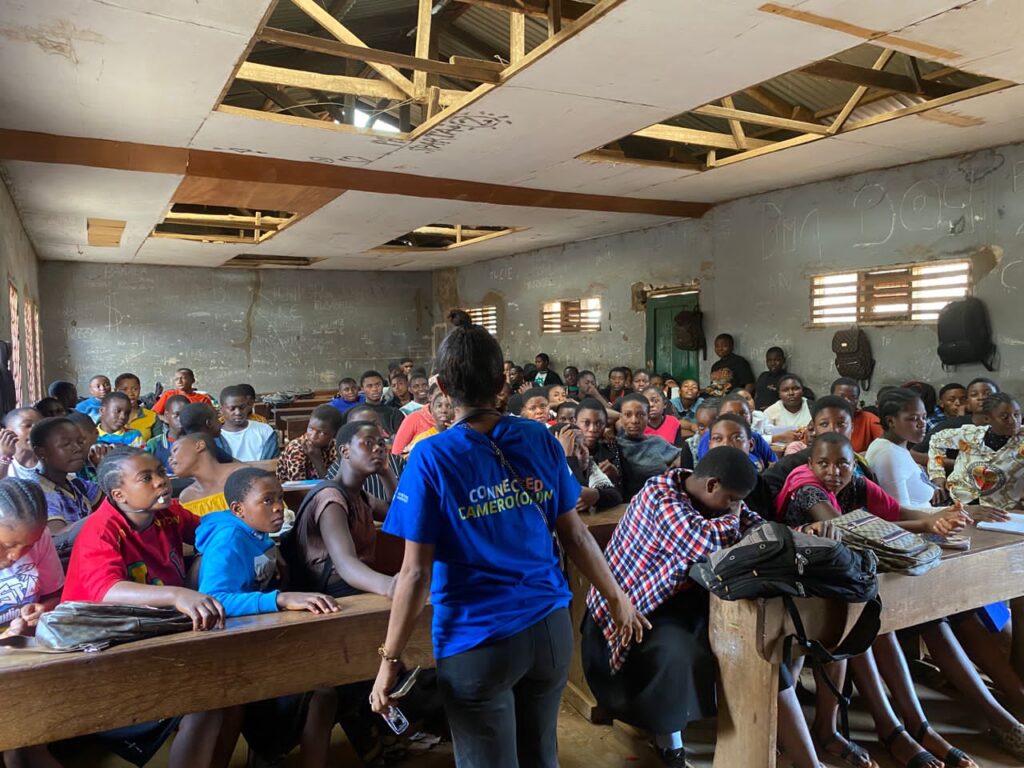
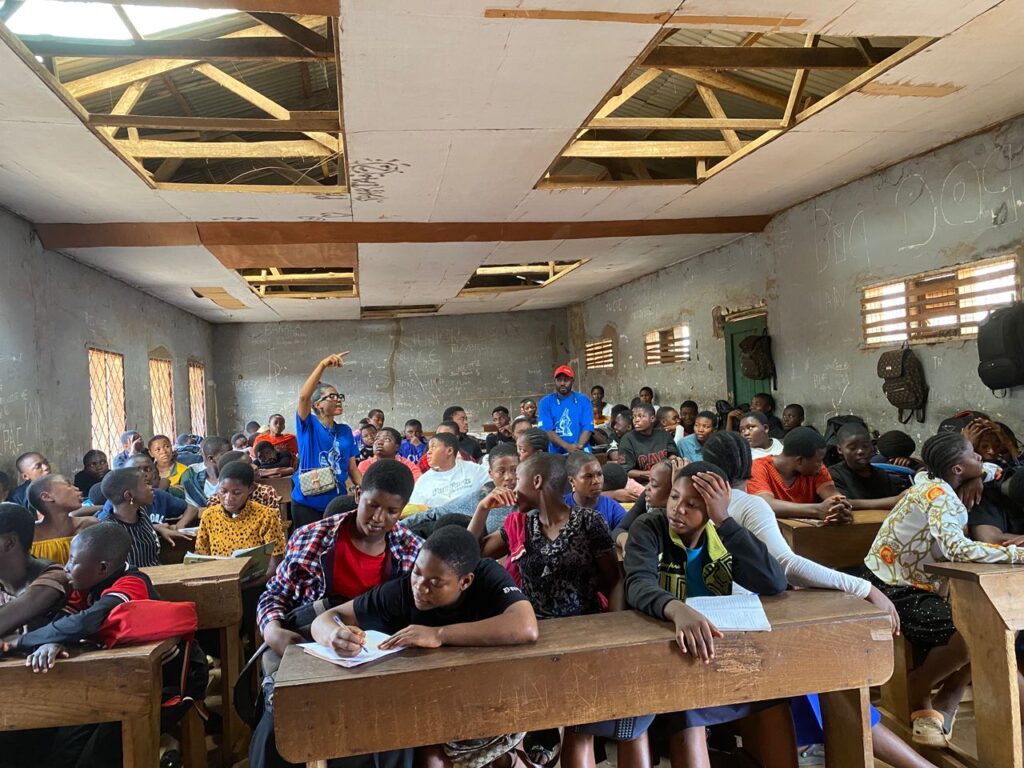
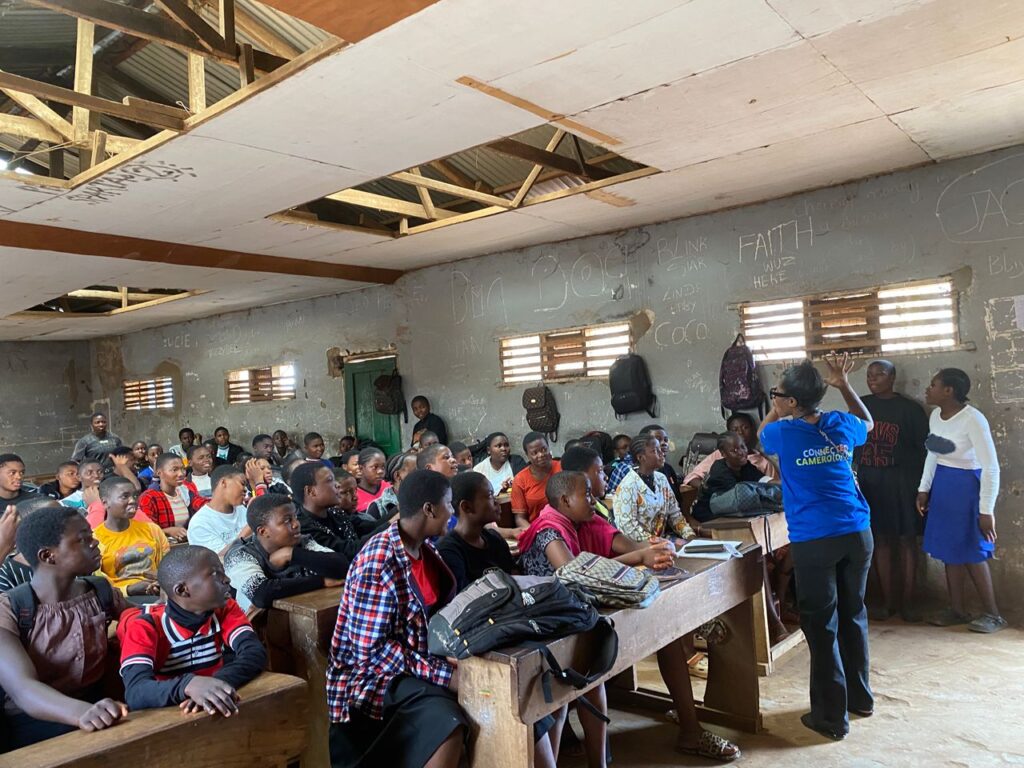
– Sensitization session on cultural diversity, tolerance, and social cohesion
– Presentation of the project goals, timeline, and expected outcomes
– Establishment of the Cultural Diversity and Tolerance Club
– Registration and mobilization of student members
– Interactive discussions and student engagement activities
Key Results and Achievements
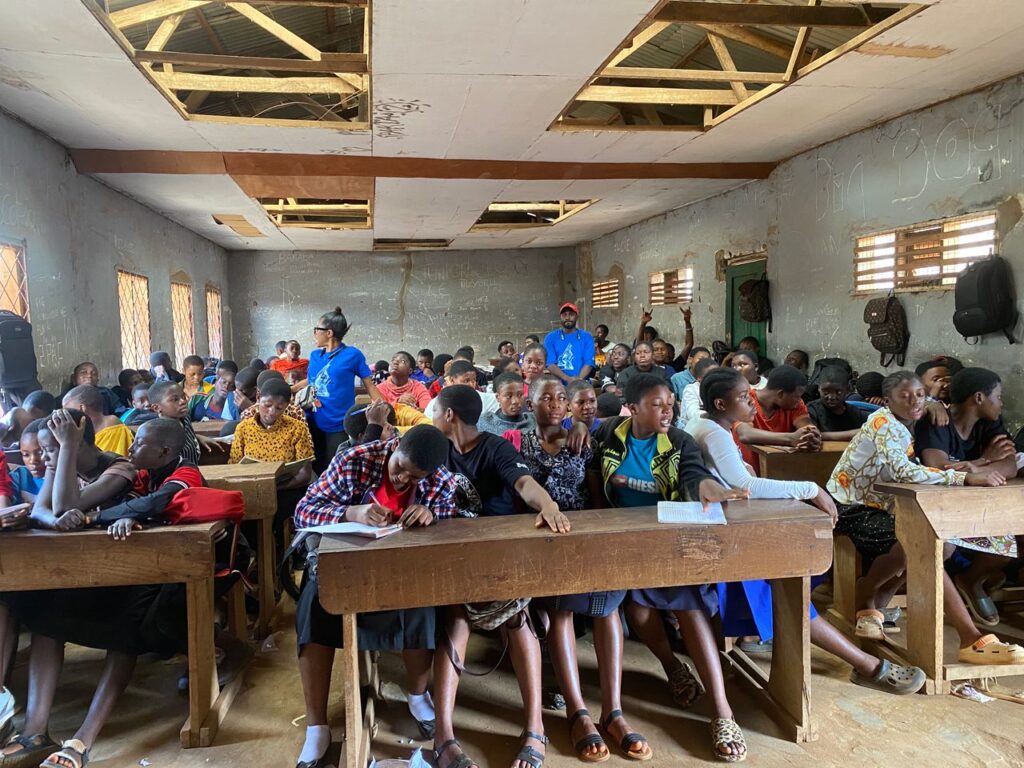
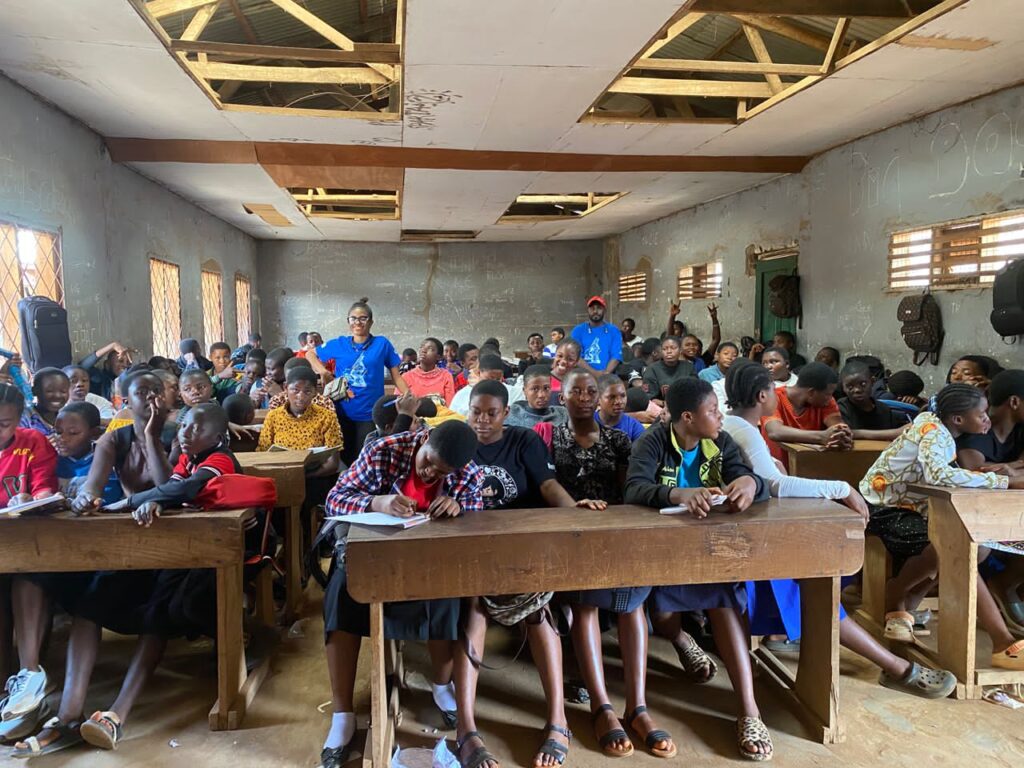
The UNIMAC team successfully launched the project at CCC Bamenda with active participation from approximately 300 students aged 13–23 years. A functional Cultural Diversity and Tolerance Club was established, providing a platform for continuous learning, dialogue, and peer engagement. The students demonstrated strong interest and commitment to promoting peace and inclusion within their school and communities.
Significance of the Initiative
This initiative is particularly significant given the fragile socio-political context of the Northwest Region. By engaging young people in dialogue and promoting shared values, the project contributes to peacebuilding, resilience, and social cohesion. It empowers students to become ambassadors of tolerance and cultural understanding.
Next Steps
Following the successful launch, UNIMAC will continue to implement planned activities including regular club meetings, capacity-building sessions, intercultural exchanges, and community outreach initiatives through September 2026.
Prepared by:
Tubuo Carine
Field Coordinator, UNIMAC