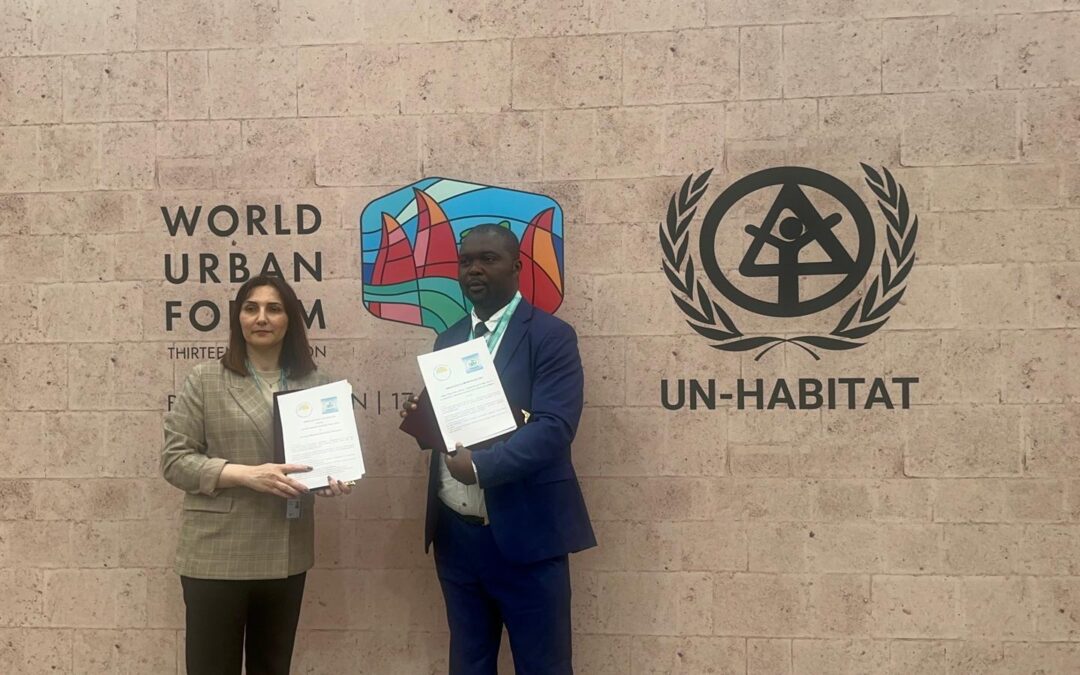
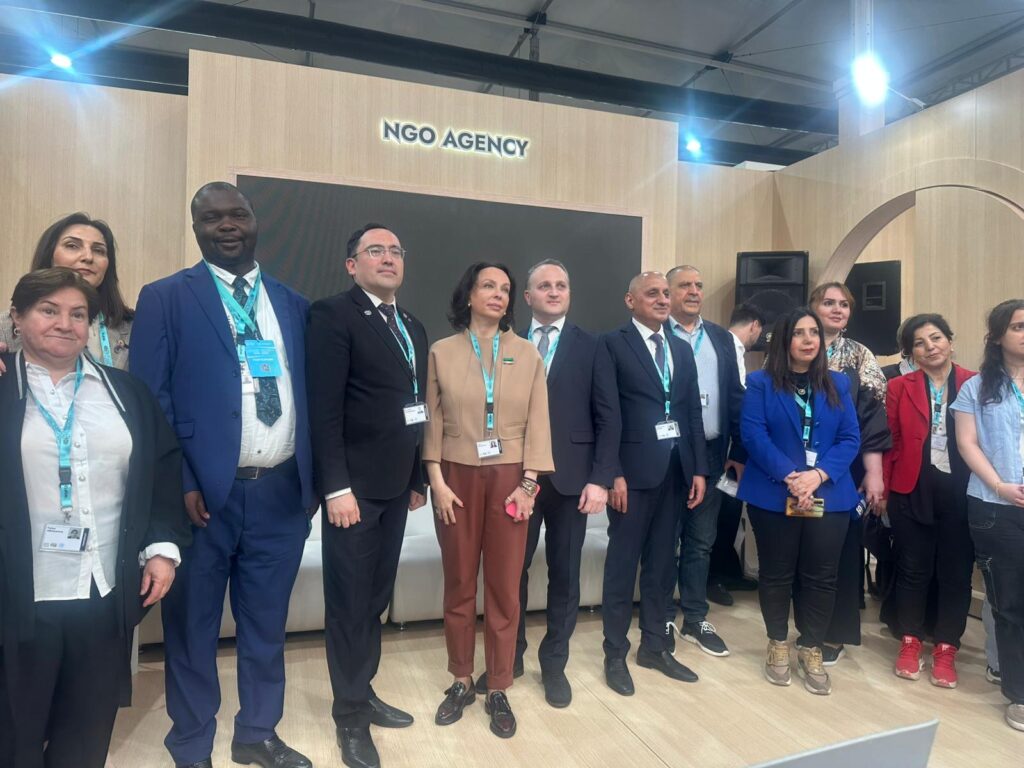
Most local NGOs never move beyond community-level visibility. They operate in isolation — disconnected from the global conversations that quietly decide where funding flows, which policies advance, and whose voice counts. That isolation, over time, erodes impact. On 14 May 2026, UNIMAC made a deliberate move beyond that ceiling, joining more than a thousand delegates from across the Global South in Baku, Azerbaijan.
This was not symbolic attendance — it was strategic positioning
The Global South NGO Platform General Assembly is not a networking conference. It is a high-level forum where heads of government, NGO leaders, and civil society actors from across Africa, Asia, and Latin America convene to set collective development priorities, forge institutional partnerships, and position their organisations within the funding and policy ecosystems that will define the coming decade.
UNIMAC’s presence was a calculated act of institutional positioning — arriving at the precise moment the global development landscape is restructuring itself around organisations that are simultaneously locally rooted and globally connected.
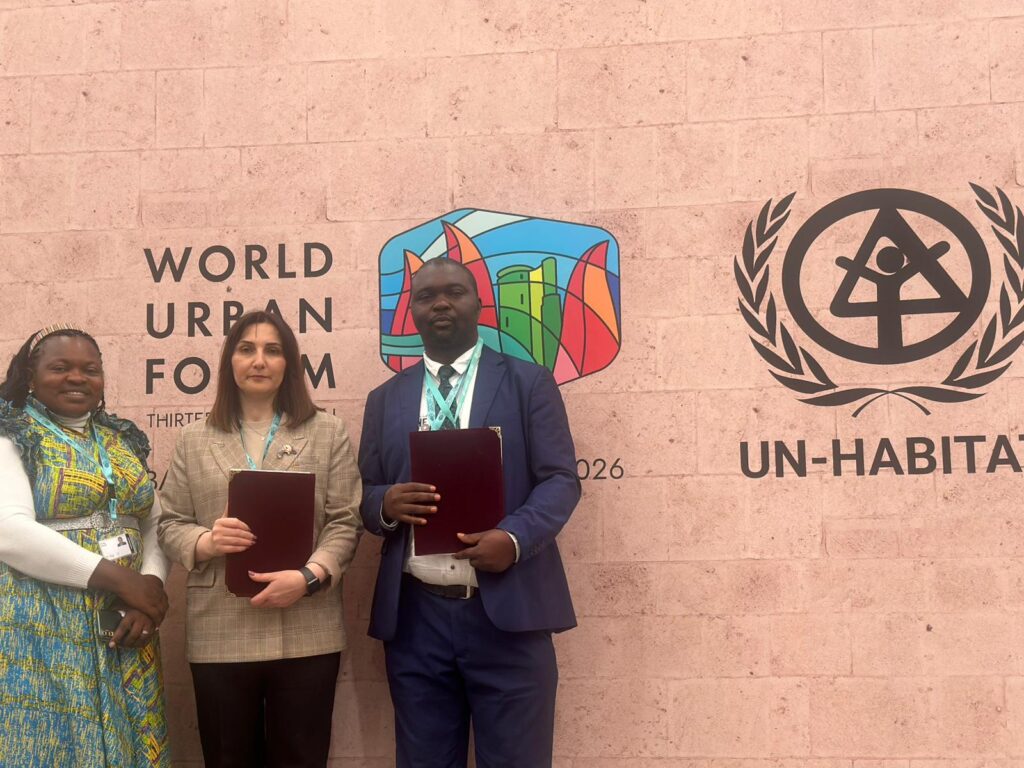
The themes that defined the agenda
Delegates gathered around a set of development challenges that cut across the Global South’s geographic diversity — the very challenges UNIMAC navigates daily in Cameroon, now being addressed in concert at international scale.
One thread ran through every theme: development solutions rooted in local realities consistently outperform those imported from external frameworks. Communities in Cameroon, Indonesia, and Colombia face structurally different versions of the same problems — youth unemployment, gender inequality, fragile healthcare, funding dependency. Organisations that learn from one another across those contexts scale faster than those that cannot.
“The future of development belongs to organisations that connect local realities to global ecosystems. Not one or the other — both. UNIMAC’s presence in Baku was a statement of intent to build that bridge.
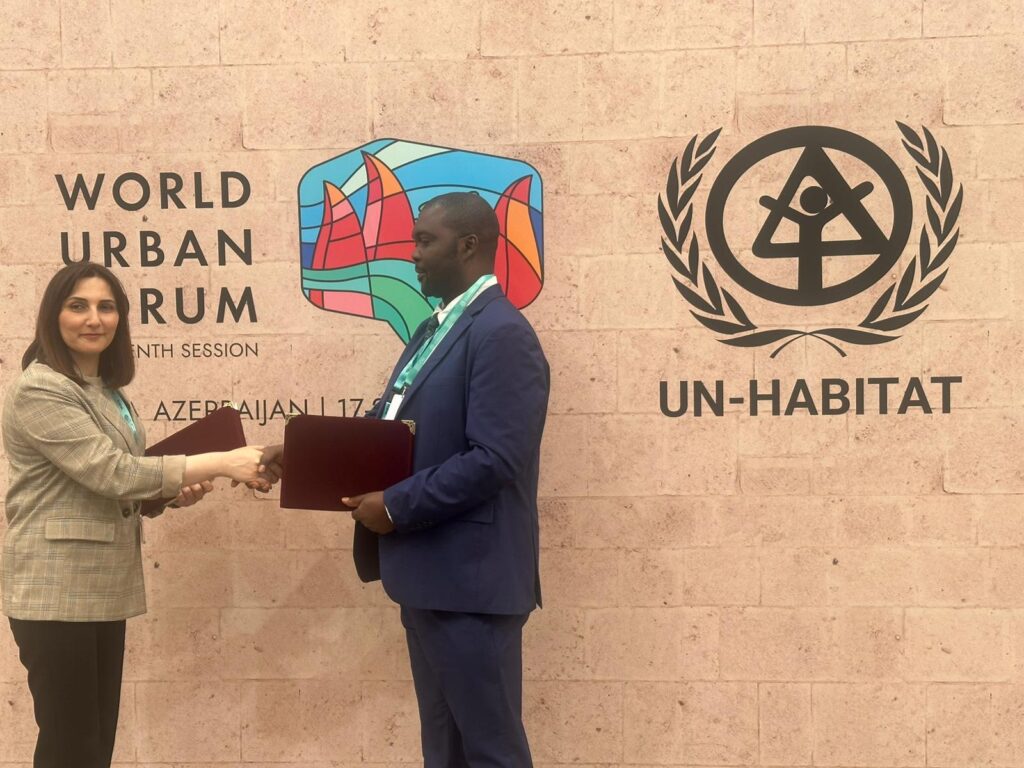
Why a room of a thousand leaders needed a Cameroonian voice in it
The most valuable outcomes of an assembly like this are rarely the formal resolutions. They are the relationships built across sessions, the funding ecosystems made visible, the policy conversations joined before they close. Organisations absent from these rooms are not missing a single event — they are missing the relational infrastructure that decides who gets called when opportunity arrives.
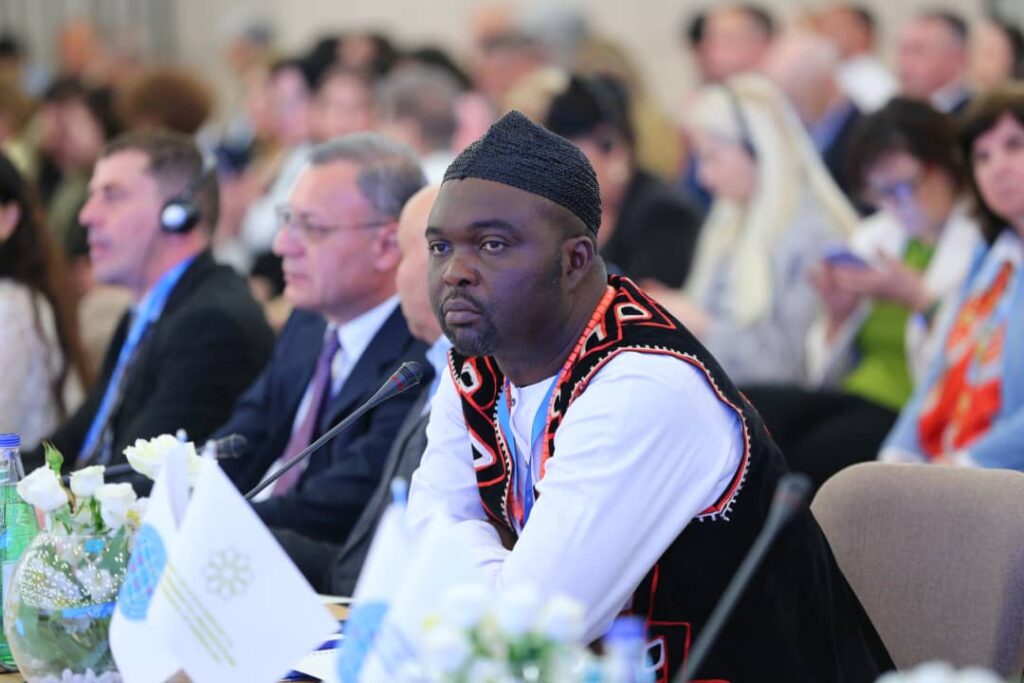
UNIMAC CEO Ameh Maurice Ngwa participated actively across plenaries, dialogue forums, and the strategic planning sessions that set the platform’s direction. Active engagement — not passive attendance — is what turns a trip into an institutional investment.
Leadership in transition — and why UNIMAC was right to be present for it
The assembly was officially opened by H.E. Ilham Aliyev, President of Azerbaijan, who underscored the importance of cooperation among Global South nations and the rising role of NGOs in sustainable development. A second structural outcome followed: the election of Mr. Fuard Karimli as the platform’s new Secretary General.
Leadership transitions of this kind are rarely merely procedural. They reset strategic priorities, recalibrate regional collaboration, and open fresh windows of influence for organisations engaged at the moment of change.
In international development networks, institutional memory is built through consistent presence. Organisations remembered as engaged during pivotal moments accumulate relational capital that is genuinely difficult to replicate from the outside.
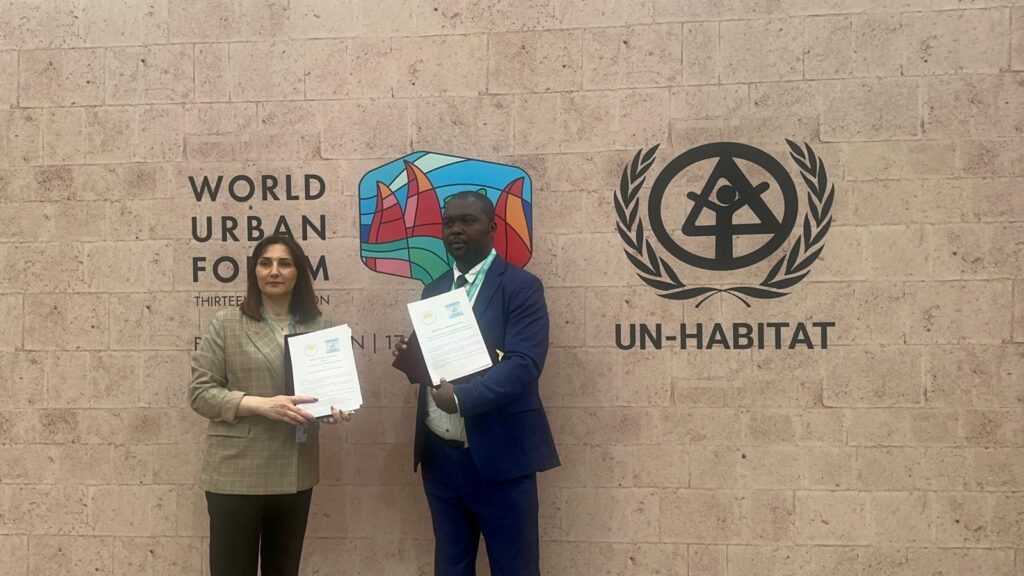
What UNIMAC gains — concretely
International participation earns its place only when it produces specific returns for the organisation’s mission and sustainability. UNIMAC’s presence in Baku targeted four.
The strategic shift this represents
UNIMAC’s trajectory over three years has been one of deliberate expansion — from a community-embedded women’s empowerment organisation into a locally grounded, internationally connected institution. Baku is the most visible marker of that arc to date, following UNFPA Technical Working Group participation in Bamenda, multi-partner programme delivery across three regions, and international funding through the Goethe-Institut.
The logic is straightforward: organisations operating only at community level depend on whichever funding cycles happen to reach their geography. Organisations operating at both levels can actively shape the conversations that decide what reaches their communities at all.
Why partners and funders should take note
International development funding is shifting toward organisations that can demonstrate three things at once: deep community embeddedness, credible institutional governance, and active participation in global development conversations. Baku adds the third proof point to a profile UNIMAC has been building methodically.
For funders weighing where to anchor the next phase of women’s empowerment work in Central and West Africa, UNIMAC now offers what few local organisations can: it is rooted in Cameroonian communities and connected to the international ecosystem those communities need access to.