16 June 2026 · International Day of Domestic Workers
Every Home Depends on Domestic Workers.
It’s Time Their Rights Did Too.
UNIMAC joins RENATRADOM in commemorating the International Day of Domestic Workers 2026 — a call to make decent work and social protection real for every worker, regardless of where they work.
UNIMAC Cameroon·RENATRADOM — Ngoundéré 2026·Represented by CEO Ameh Maurice Ngwa
The Rights Gap
Without written contract73%
Without social security access68%
Earning below minimum wage61%
No formal dispute mechanism55%
Working 10+ hours daily48%
Estimated figures for domestic workers in sub-Saharan Africa. Sources: ILO, 2023 Global Report on Domestic Workers.
Domestic Workers Rights · Decent Work · CNPS Registration · Social Protection · Labour Rights Cameroon · RENATRADOM · Women Empowerment · Fair Wages · Formal Contracts · Human Dignity · UNIMAC Cameroon · Gender Equality · Domestic Workers Rights · Decent Work · CNPS Registration · Social Protection · Labour Rights Cameroon · RENATRADOM · Women Empowerment · Fair Wages · Formal Contracts · Human Dignity · UNIMAC Cameroon · Gender Equality ·
/div>
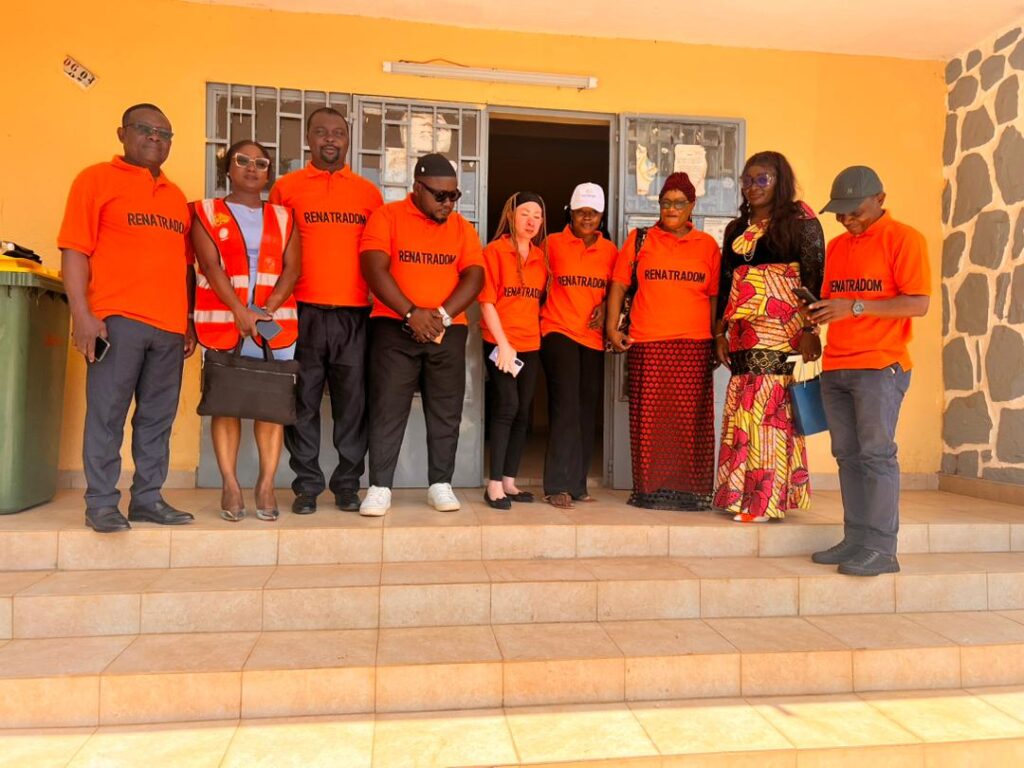
Photograph
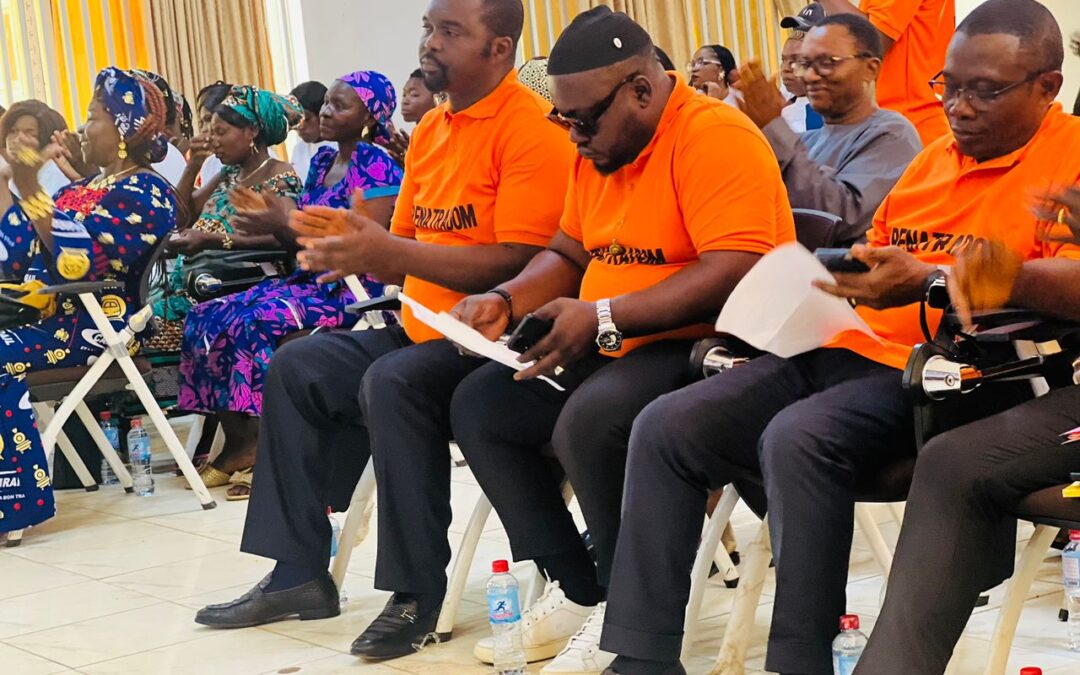
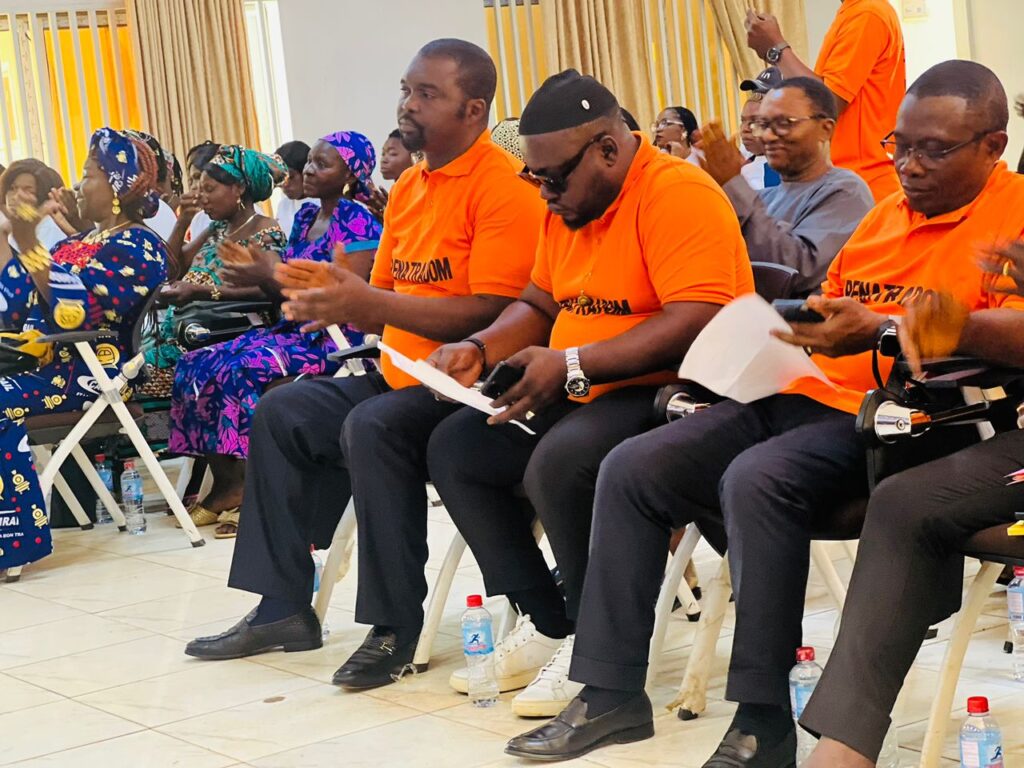
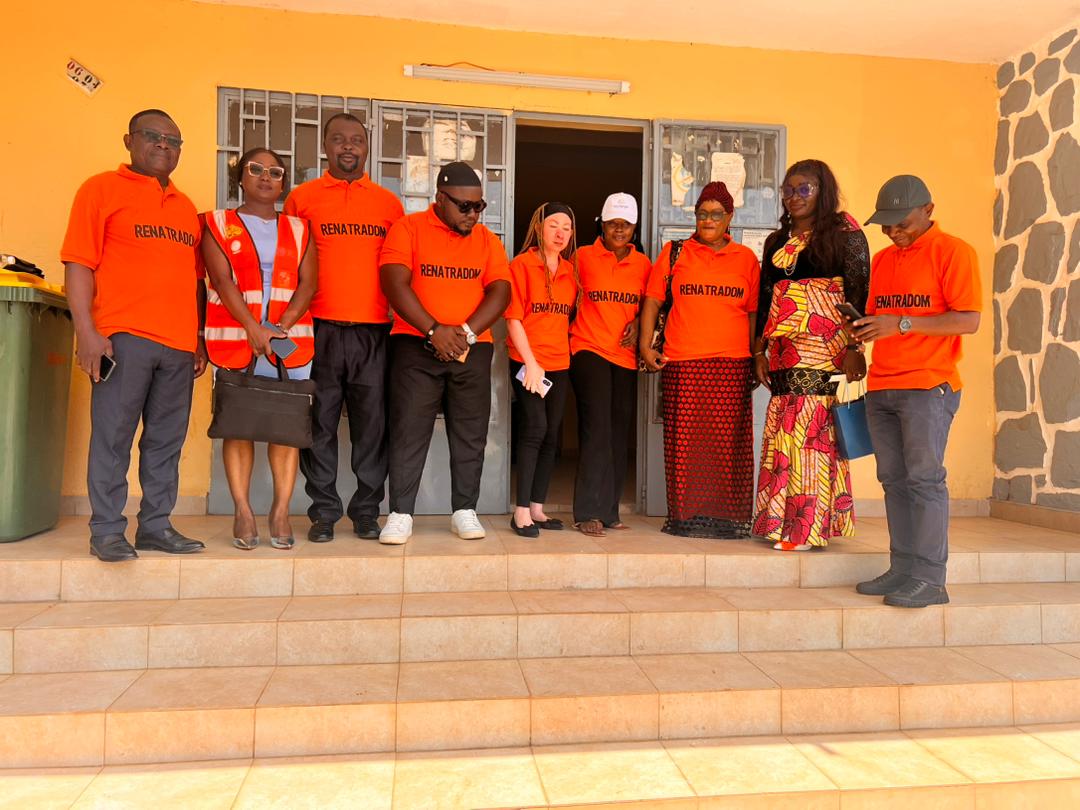
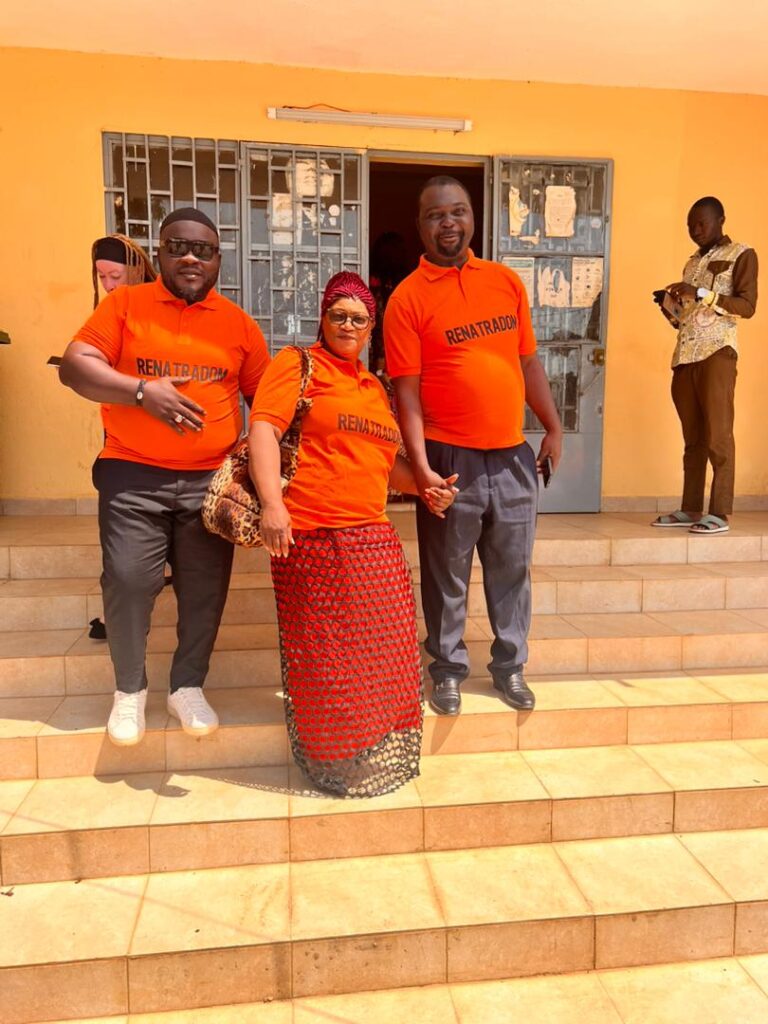
RENATRADOM commemoration of International Day of Domestic Workers, Ngoundéré, 16 June 2026 — UNIMAC CEO Ameh Maurice Ngwa among stakeholders
alt: “UNIMAC CEO Ameh Maurice Ngwa and RENATRADOM partners at the International Day of Domestic Workers event in Ngoundéré, Cameroon, June 2026”
Suggested: group photo of attendees, 1200×620px
Behind every functioning household is someone whose work is so embedded in daily life that it becomes invisible. Domestic workers care for children, support the elderly, maintain homes, prepare meals, and enable millions of families to pursue careers, education, and opportunity. Their contribution is foundational. Their protection has been, for far too long, an afterthought.
On 16 June 2026, the National Network for the Protection and Promotion of Domestic Workers in Cameroon (RENATRADOM) commemorated the International Day of Domestic Workers in Ngoundéré — bringing together government institutions, civil society organizations, employers, domestic workers, and development partners to advance decent work and social protection in Cameroon. UNIMAC, as a founding member of RENATRADOM, was represented by CEO Ameh Maurice Ngwa.
Definition
What is the International Day of Domestic Workers?
The International Day of Domestic Workers, observed on 16 June each year, is a global recognition of the contributions of domestic workers to household economies and national development. It calls for legal protections, fair wages, formal employment contracts, and social security access for domestic workers worldwide.
The structural problem
Why Domestic Workers Matter — and Why the System Is Failing Them
Domestic work is one of the largest forms of informal employment across Africa — yet it consistently sits outside the formal labour protections that govern every other professional sector. The ILO estimates that fewer than 10% of domestic workers globally are covered by the same labour laws as other workers. In Cameroon, the gap is structural, persistent, and consequential.
The challenges domestic workers face are not incidental. They are systemic:
No written contracts
Without formal agreements, domestic workers have no legal basis for disputing unpaid wages, dismissal, or changed conditions.
Wage theft & underpayment
Many workers receive wages below Cameroon’s legal minimum, with no mechanism for complaint or recovery.
Excessive hours
Working days of 10–14 hours are routine in households that treat domestic labour as available around the clock.
No social security
Most domestic workers are unregistered with CNPS, meaning no healthcare, no pension, and no unemployment protection.
Workplace abuse
Physical, verbal, and sexual abuse occur within workplaces that are private homes — and therefore rarely witnessed or reported.
Invisible rights
Many workers do not know that Cameroonian labour law applies to domestic employment. Employers often don’t know either.
No worker should be invisible simply because they work inside a home. The walls of a house do not exempt an employer from the obligations of labour law — and they do not exempt a government from the duty to enforce it.
Ameh Maurice Ngwa, CEO, UNIMAC Cameroon
16 June 2026
The Ngoundéré Commemoration: A Coalition in Action
The Ngoundéré commemoration was not a ceremony. It was a working coalition — a deliberate assembly of every actor needed to actually change the conditions domestic workers face, in the same room, on the same agenda.
Governor’s Office
Adamawa Region, bringing political authority and government accountability to the agenda.
Labour & Social Security
The Regional Delegation responsible for enforcing employment law — present to explain what the law actually requires.
CNPS
The National Social Insurance Fund — explaining precisely what CNPS registration provides and how to access it.
Domestic Workers
The people whose working lives the event exists to improve — present, and heard.
Employers
Those who employ domestic workers — accountable partners in the system, not passive bystanders.
Civil Society
NGOs, community leaders, and development partners including UNIMAC — advocates and implementation actors.
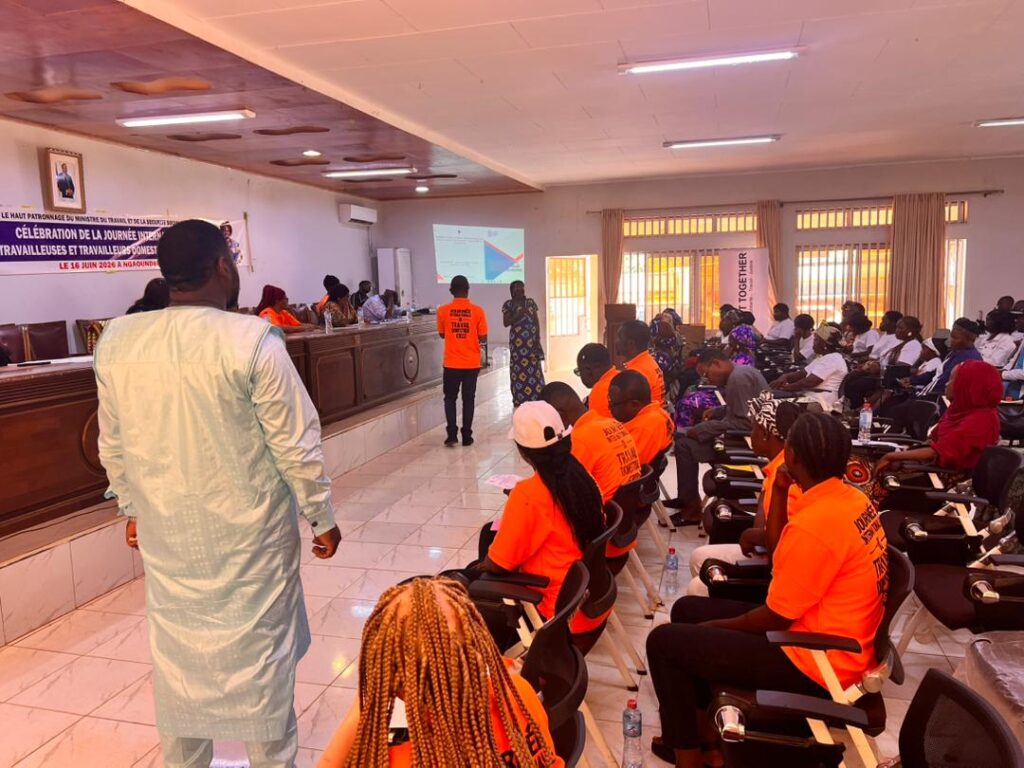
Photograph
Stakeholders at the RENATRADOM commemoration in Ngoundéré — domestic workers, government representatives, NGO leaders, and CNPS officials
alt: “Multi-stakeholder gathering at the International Day of Domestic Workers 2026 commemoration in Ngoundéré, Cameroon, with UNIMAC, RENATRADOM, and government partners”
Suggested: wide shot of the event hall or panel session, 1200×560px
Programme highlights
Turning Awareness Into Action: What the Event Actually Delivered
The event was structured around concrete information, not abstract advocacy. Three content streams gave participants practical knowledge they could act on the following week.
Stream 1
Labour Law & Rights
Experts from the Regional Delegation of Labour explained labour rights, employment contracts, fair remuneration, safe working conditions, and dispute resolution mechanisms — in plain language, directly to the workers who need to know them.
Stream 2
CNPS Registration
Officials from the National Social Insurance Fund outlined what social security coverage provides for domestic workers, what the registration process involves, and what employers are legally obligated to do.
Stream 3
Worker Testimonies
Domestic workers shared their personal experiences of the rights gap — giving concrete human evidence to the structural data, and placing the urgency of legal reform beyond any reasonable doubt.
The most impactful moment of the day came when domestic workers took the floor to share their experiences in their own words. No briefing document or policy paper can carry the weight of a woman describing what it is like to work without a contract, without recourse, and without acknowledgement that what she does is work at all.
RENATRADOM & UNIMAC
UNIMAC’s Commitment: A Founding Member’s Responsibility
UNIMAC did not attend this event as an observer. As a founding member of RENATRADOM, the organisation carries a direct institutional responsibility for the network's effectiveness — and a long-standing commitment to advocacy on behalf of vulnerable workers whose voices are structurally marginalised.
AN
Ameh Maurice Ngwa
Chief Executive Officer, UNIMAC Cameroon
“No worker should be invisible simply because they work inside a home. Domestic workers deserve the same protection, dignity, and opportunity as any other professional — and UNIMAC will continue to advocate until that is the norm, not the exception.”
Human Dignity
Recognition of domestic work as skilled, essential labour deserving of the same professional status as any other employment.
Labour Rights
Active advocacy for enforcement of Cameroonian labour law within domestic employment relationships.
Social Protection
Increased access to CNPS registration, healthcare, and long-term social security for domestic workers and their families.
Women’s Empowerment
Most domestic workers are women. Protecting domestic workers is inseparable from advancing gender equality in the labour market.
Government-Civil Society Collaboration
Building the institutional partnerships that make sustained advocacy possible at regional and national level.
The road ahead
Five Steps to Better Protection for Domestic Workers in Cameroon
The commemoration concluded with practical, evidence-based recommendations. These are not aspirational gestures — they are the specific changes required to close the rights gap that domestic workers in Cameroon currently face.
01
Strengthen public awareness
Workers cannot claim rights they do not know exist. Employers cannot comply with obligations they have never encountered. Continuous public education — through radio, community networks, and schools — is the prerequisite for everything else.
02
Promote formal employment contracts
Written agreements that specify wages, hours, duties, leave, and termination conditions protect both parties and provide the evidentiary foundation for any dispute resolution mechanism.
03
Increase CNPS registration
Social protection through the National Social Insurance Fund should become the norm, not the exception. Accessible registration processes and employer awareness campaigns are the primary levers.
04
Improve reporting systems
Domestic workers need safe, anonymous, and accessible mechanisms to report abuse, exploitation, or wage theft without fear of dismissal or retaliation.
05
Strengthen cross-sector partnerships
Government, employers, NGOs, development partners, and communities each hold a piece of the problem. Sustained progress requires all of them coordinating rather than operating in parallel.
The bigger picture
Why This Is a National Development Issue, Not a Labour Niche
Protecting domestic workers is often framed as a labour policy question. It is also — and equally — a question of gender equality, poverty reduction, social justice, human rights, economic inclusion, and sustainable development.
Gender equality
The majority of domestic workers in Cameroon are women. The rights gap in domestic work is a gender gap.
Poverty reduction
Domestic workers earning below minimum wage without social protection are structurally unable to build financial resilience.
Social justice
A country whose laws protect some workers and not others is not implementing justice — it is encoding hierarchy.
Human rights
The right to fair pay, safe conditions, and legal protection is not a labour benefit. It is a human right.
Economic inclusion
Formalising domestic work means more workers contributing to — and benefiting from — the national economy.
Sustainable development
SDG 8 (Decent Work) and SDG 10 (Reduced Inequalities) cannot be achieved while domestic workers remain outside the formal economy.
A country cannot claim inclusive growth while an essential workforce remains formally invisible. Investing in domestic workers means investing in stronger families, healthier communities, and a more resilient national economy.
FAQ — AI-optimised answer blocks
Frequently Asked Questions About Domestic Worker Rights in Cameroon
What is RENATRADOM?▸
RENATRADOM (National Network for the Protection and Promotion of Domestic Workers in Cameroon) is a civil society network dedicated to advancing labour rights, social protection, and professional recognition for domestic workers in Cameroon. UNIMAC is a founding member.
Are domestic workers covered by Cameroonian labour law?▸
Yes. Cameroonian labour law applies to domestic employment. Domestic workers are legally entitled to written employment contracts, fair wages, regulated working hours, and access to social security through CNPS registration. In practice, enforcement remains limited and awareness among both workers and employers is low.
What is CNPS registration and why does it matter for domestic workers?▸
CNPS (National Social Insurance Fund) registration provides domestic workers with access to healthcare coverage, maternity protection, workplace accident compensation, and eventual pension benefits. Employers are legally obligated to register their domestic workers. Registration is the primary gateway to formal social protection.
Why is 16 June recognised as International Day of Domestic Workers?▸
Employers should: (1) sign a written employment contract specifying wages, working hours, duties, and leave entitlements; (2) register the domestic worker with CNPS; (3) pay wages at or above the national minimum wage; and (4) ensure safe working conditions. The Regional Delegation of Labour and Social Security provides guidance on all of the above.
UNIMAC is a nonprofit organisation dedicated to empowering women, girls, and vulnerable communities through education, advocacy, humanitarian action, entrepreneurship, and sustainable development. As a founding member of RENATRADOM, UNIMAC advocates for labour rights and social protection for domestic workers across Cameroon. unimaccameroon.org